Portugal in 10 days: can you do it all?
I stared at the map of Portugal with that familiar 10-day optimism: Sintra turrets, Douro tastings, Algarve coves—then the first reality check hit when I counted drive hours between “must-sees.” You can sample it all, but you can’t do it all well, and the fastest way to sour the trip is stacking too many one-night stops.
For a first visit, the clean framework is three anchors—Lisbon (with a Sintra day), Porto (with a Douro day), and either the Algarve or a central Portugal loop. Trying to force both coast and interior usually turns Days 6–8 into logistics: late check-ins, missed sunset walks, and winery days that feel rushed.
Trains work beautifully between Lisbon and Porto; the friction shows up when you want castles, coves, and wineries on your schedule. A car buys freedom in the middle and south, but it also adds tolls, parking, and the question of who’s sipping what in the Douro.
Days 1–2: Lisbon + Sintra castles
On our first Lisbon morning, the decision wasn’t what to see—it was whether to fight hills and crowds before we’d even found our coffee rhythm. Lisbon rewards an “early start, lighter agenda” approach: pick one neighborhood spine (Baixa/Chiado into Alfama, or Príncipe Real down toward the river) and let the city’s verticality set your pace. We tried to stitch everything together on foot and regretted it by midafternoon; the tiles and viewpoints are better when you’re not speed-walking between them. If you’re mid-range budgeting, it’s worth spending on a couple of short rideshares or trams to save your legs for the viewpoints that actually feel special.
Sintra is where optimism goes to get tested. The trains are easy, but once you arrive, time starts leaking—queues, shuttle lines, and the slow crawl of roads packed with tuk-tuks. The most realistic win is choosing two major sights, not four: Pena Palace is the headline, but it’s also the most crowded, so we booked the earliest entry and still hit bottlenecks on the way up. Pair it with either the Moorish Castle (more exposed, great views, wind-dependent) or Quinta da Regaleira (less weather-sensitive, more “wander” time), then bail back to Lisbon before the late-day crush. Night two in Lisbon works well because you’re not repacking right after a long, line-heavy day.
Days 3–4: Porto + Douro wine country
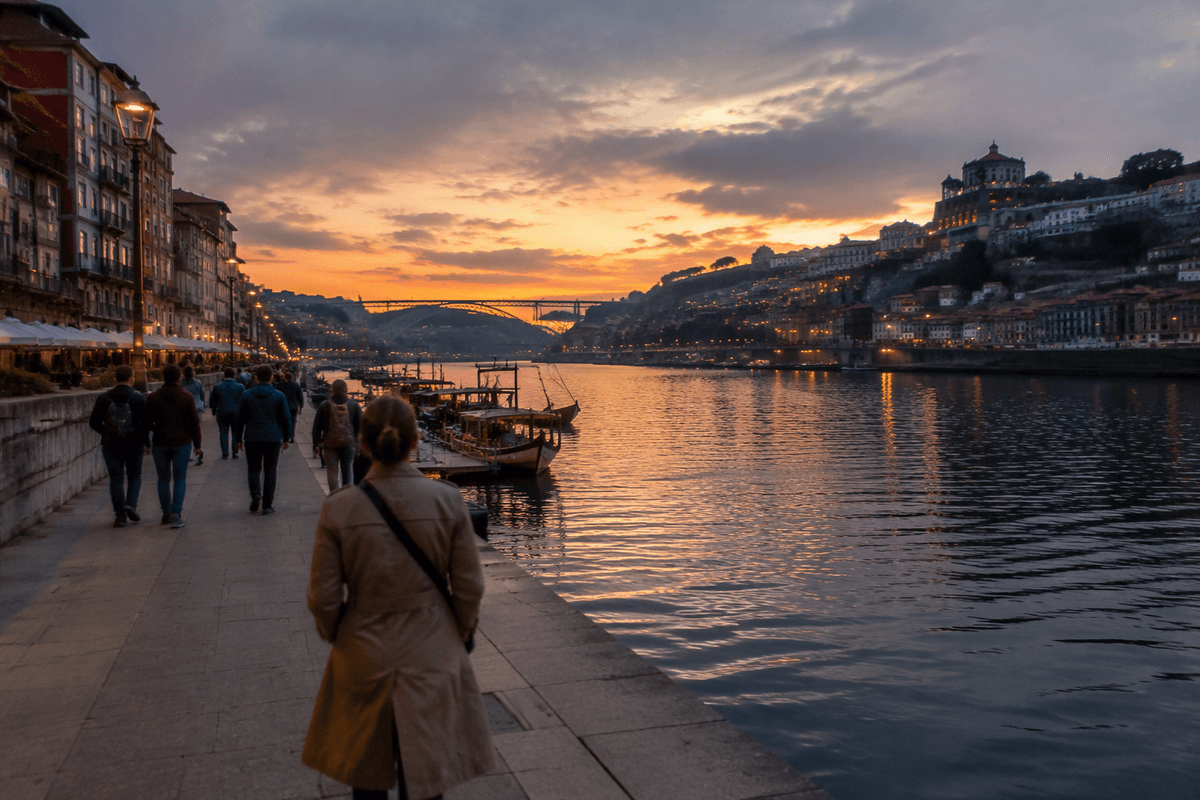
We hit Porto on Day 3 and immediately ran into a simple pacing problem: the city looks compact on a map, but the hills and river-level detours quietly turn “one more viewpoint” into a 25-minute climb. If you only have two days, it helps to treat Porto as two layers—Ribeira and the bridges down low, then the higher grids around Clérigos/Livraria/Lapa—because bouncing between them all day is what makes Porto feel harder than it needs to. We liked a late-afternoon wander along the water when the tour groups thin out a little, but we skipped trying to do a formal cellar tour the same night; stacking a scheduled tasting on top of travel day fatigue is how you end up drinking for the checkbox, not the experience.
Day 4 is where the big decision shows up: Douro by train/driver (less stress, less control) versus rental car (more freedom, more responsibility). If you’re both tasting, a train to Peso da Régua or Pinhão plus a pre-booked winery visit is the cleanest mid-range move—no parking puzzles, no “who’s the designated driver,” but you’re locked into timetables and whatever transfers you chose. Driving lets you chase viewpoints and smaller quintas, yet it also makes the day feel like logistics—narrow roads, slow behind tour vans, and the pressure to keep moving. Either way, book one winery, not three; the Douro is gorgeous, but the distances are deceptive, and the best part is having time to sit still with a glass and the river below you.
Days 5–6: Central Portugal fortress loop
We thought Day 5 would be a “quick” transfer day, but central Portugal has a way of turning a straight line into a pinball route of walls, viewpoints, and parking lots. This is the moment a car stops being optional: the fortress towns are close enough to tempt you into overstuffing, yet far enough apart that buses add friction and trains don’t really connect the dots. We aimed for one main stop (Tomar’s Convent of Christ) and one smaller wander (Óbidos), and even then we felt the clock tightening once you factor in ticket lines and the slow, cobbled climbs inside old towns.
Tomar works best earlier in the day, when the light is calmer and you’re not climbing stone staircases in peak heat. The Convent is big enough that rushing it feels pointless, but it’s also not the kind of place you’ll “accidentally” enjoy if you arrive tired—give it a real window, then decide if you still have energy for a second stop. Óbidos is the opposite: compact, easy to snack-and-stroll, but it can feel theme-park crowded midafternoon, and the wall walk is less fun if it’s windy or you’re not steady on uneven stones.
For nights, we liked doing one base (Tomar/Coimbra-area) rather than hopping towns—less repacking, fewer check-in constraints—and using Day 6 as a flexible loop. Central Portugal is where you earn time by skipping “nearby” extras; keeping one open slot for a long lunch or an unplanned detour made the whole middle of the trip feel calmer.
Days 7–9: Algarve coastlines and coves
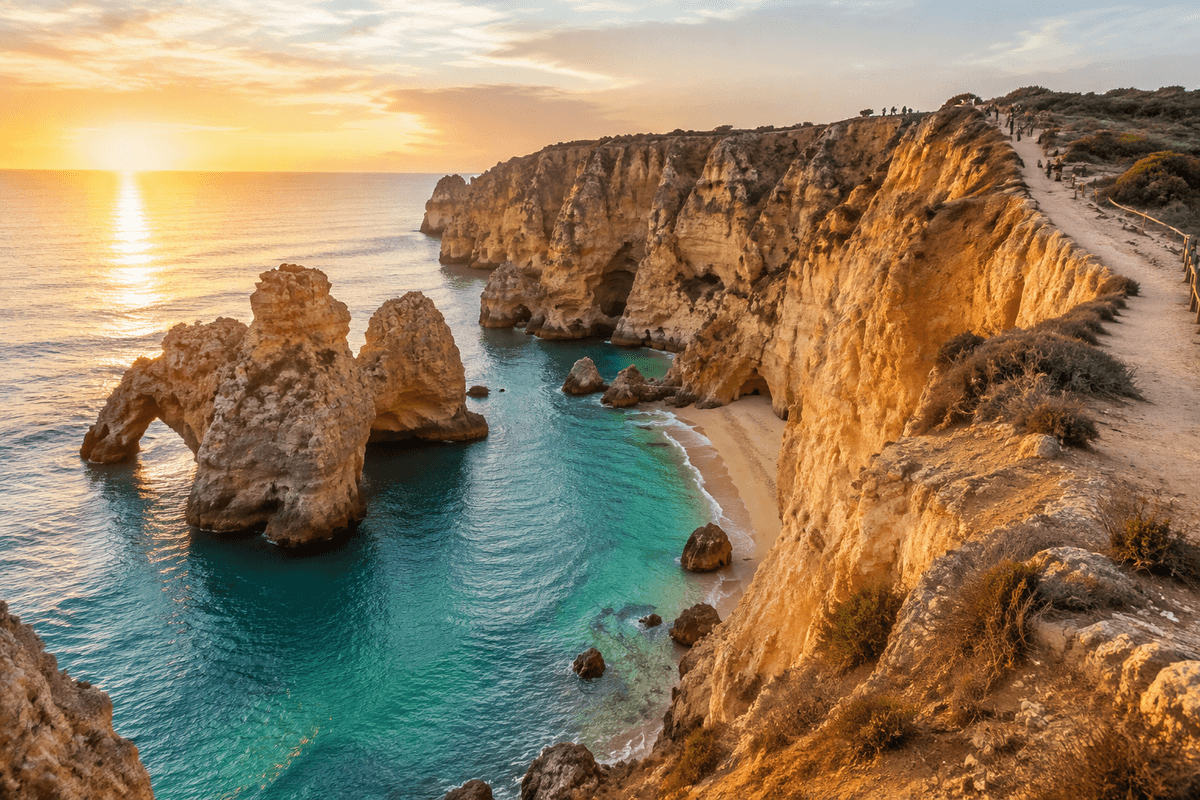
The Algarve was the first place our timing got honest: we rolled in thinking we’d “catch a quick beach,” and instead spent the first hour hunting for parking near the cliffs while the best light quietly shifted. If you’re coming from central Portugal, plan on arriving with just one small mission—sunset walk, simple dinner, early night—because trying to tack on a boat tour or a long coastal hike after check-in is how the coast turns into a checklist.
For Days 7–9, the big choice is whether you want variety or ease. Basing in Lagos (west) makes the coves and rock formations feel close and dramatic, but it can be busier and slower to drive in peak hours; basing around Albufeira or Faro (more central) smooths logistics, yet some of the “iconic” stretches become longer day trips. We found two bases in three days wasn’t worth the repack-and-reset—one base, two focused coastal zones, and one slower half-day worked better than chasing every viewpoint.
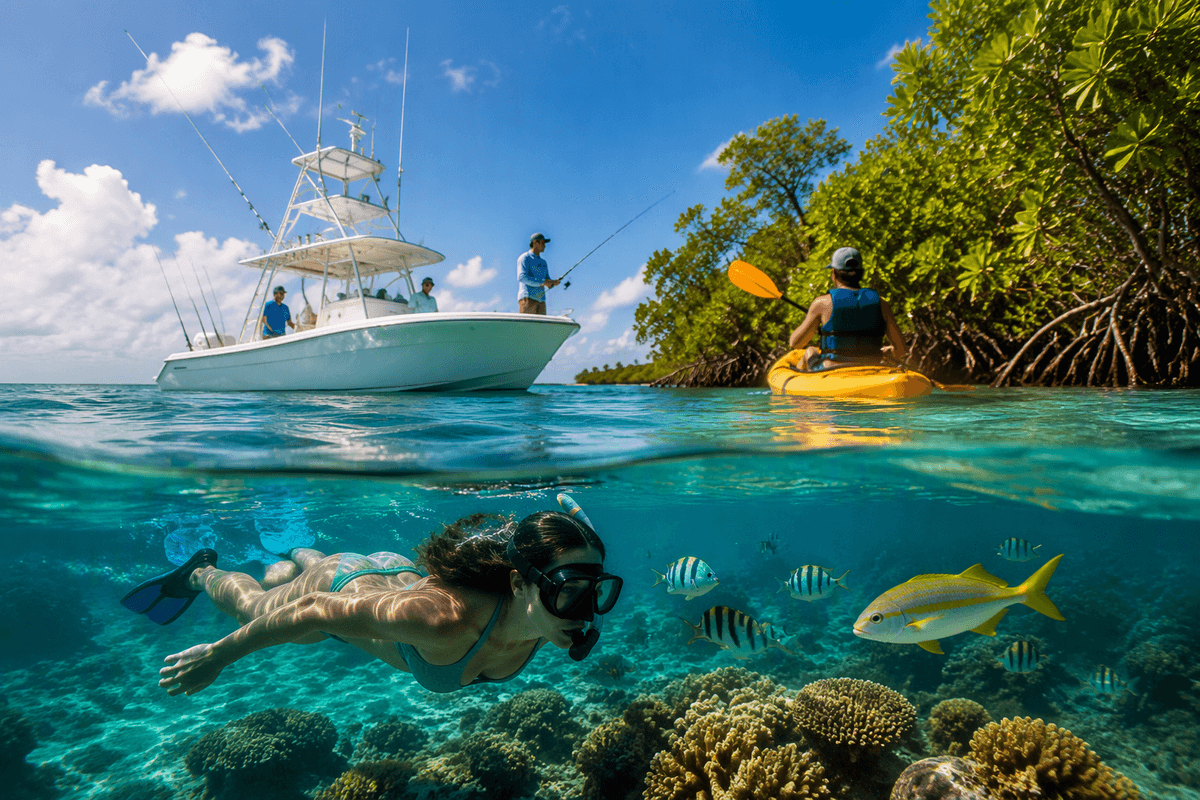
On the water, tours can be fantastic when seas are calm, but they’re schedule-dependent and the wind can make smaller boats feel more like endurance than romance. We liked pairing one booked experience (boat or kayak) with one self-paced cliff walk, then leaving the third day intentionally flexible for weather, laundry, or simply staying put—because the Algarve is where overplanning costs you the very thing you came for: unhurried time near the ocean.
Day 10: Back to Lisbon, last glass
Day 10 felt less like sightseeing and more like time management: getting back to Lisbon without turning the final day into a suitcase-and-commute marathon. We aimed for a midday arrival, which meant skipping a “last swim” temptation—fun in theory, stressful when you’re watching the clock and still need a shower, a return drop-off, and a real meal that isn’t eaten standing.
In Lisbon, the best finish was intentionally small: one unrushed neighborhood loop, one place you actually wanted to sit, and a final glass you didn’t have to schedule. The constraint is that the city will happily lure you into “just one more viewpoint,” but that’s where fatigue shows up and the bill (and steps) quietly climbs. If you’re debating whether 10 days is too packed, this last day is the answer: you want enough slack to feel like you’re leaving on purpose, not escaping your own itinerary.