Why festival travel feels different abroad
I realized festival travel abroad stops being “just a weekend show” the moment you’re staring at flight prices and a ticket page that might be a lottery, a timed drop, or a resale maze. At home, you can often decide late and still make it work; abroad, the order flips—tickets and lodging dictate the trip, not the other way around. That’s exciting, but it also means your 7–10 days can get shaped by constraints you don’t control (release dates, payment methods, ID checks, even local holidays that quietly double hotel rates).
What feels different on the ground is how much the city—or the lack of one—changes your stamina. A “city festival” sounds convenient until you price Ubers at 2 a.m. and realize the last train is your real headliner; a “camping festival” sounds immersive until your group hits day three and a wet tent becomes the mood. Neither is inherently better, but abroad the comfort trade-offs are amplified because you can’t easily bail, drive home, or swap plans without burning time and money.
How to choose your perfect festival match
Do we want the festival to be the trip, or the anchor inside a broader 7–10 day itinerary? If you’re only doing one big annual run with friends, that answer matters more than genre. A city-based festival (think “public transit and hotel beds”) usually makes the recovery days easier, but it can quietly blow up your budget through peak-night rates and late-night transport. A destination or camping festival can be cheaper per day once you’re inside the bubble, yet it asks for tolerance—heat, mud, long walks, and the reality that one tired person can drag the whole group’s mood.
Next, sort options by season and ticket friction before you fall in love with a lineup. Some events are straightforward on-sale; others are lotteries, staged waves, or resale ecosystems that punish procrastination. If your vacation dates are fixed, prioritize festivals with multiple weekends, multiple cities, or historically reliable resale channels; if your dates are flexible, you can chase the hard tickets and plan everything else around them.
A practical shortlist method: pick two “must-have” variables (dates + comfort, or genre + city, etc.), then cap your travel complexity. As a rule, one major time-zone jump plus a rural commute is where groups lose a day to logistics; choosing either “long flight” or “remote venue” (not both) keeps the trip feeling like a vacation instead of a project.
Europe’s can’t-miss mega festivals
The first time we tried to “just do Europe” for a mega festival, we got tripped up by a boring detail: which ones actually let you sleep like a human without spending half your budget on a panic hotel. Europe’s biggest names are bucket-list for a reason, but they’re not interchangeable—some reward early planners with a smooth trip, while others punish anyone who can’t commit months ahead.
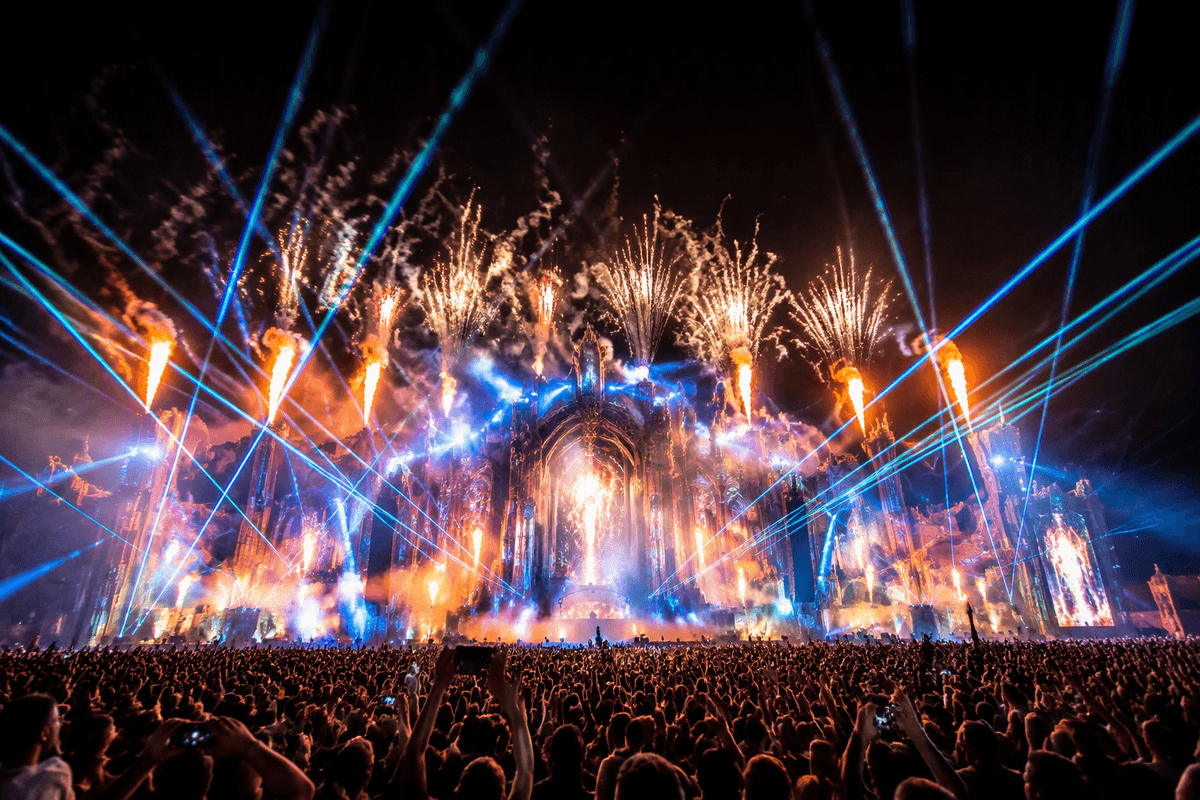
If your group wants EDM with maximum spectacle, Tomorrowland (Belgium, late July) is the cleanest yes—until you hit ticket reality. Sales are competitive, packages can be the path of least resistance, and the “easy” options often bundle you into higher costs. By contrast, Primavera Sound (Barcelona, late May/early June) plays better for full-time workers: it’s city-based, you can tack on beach days, and you’re not locked into camping logistics. The friction point is comfort-by-price—central hotels spike, and staying cheaper outside the core adds nightly transit decisions when everyone’s tired.
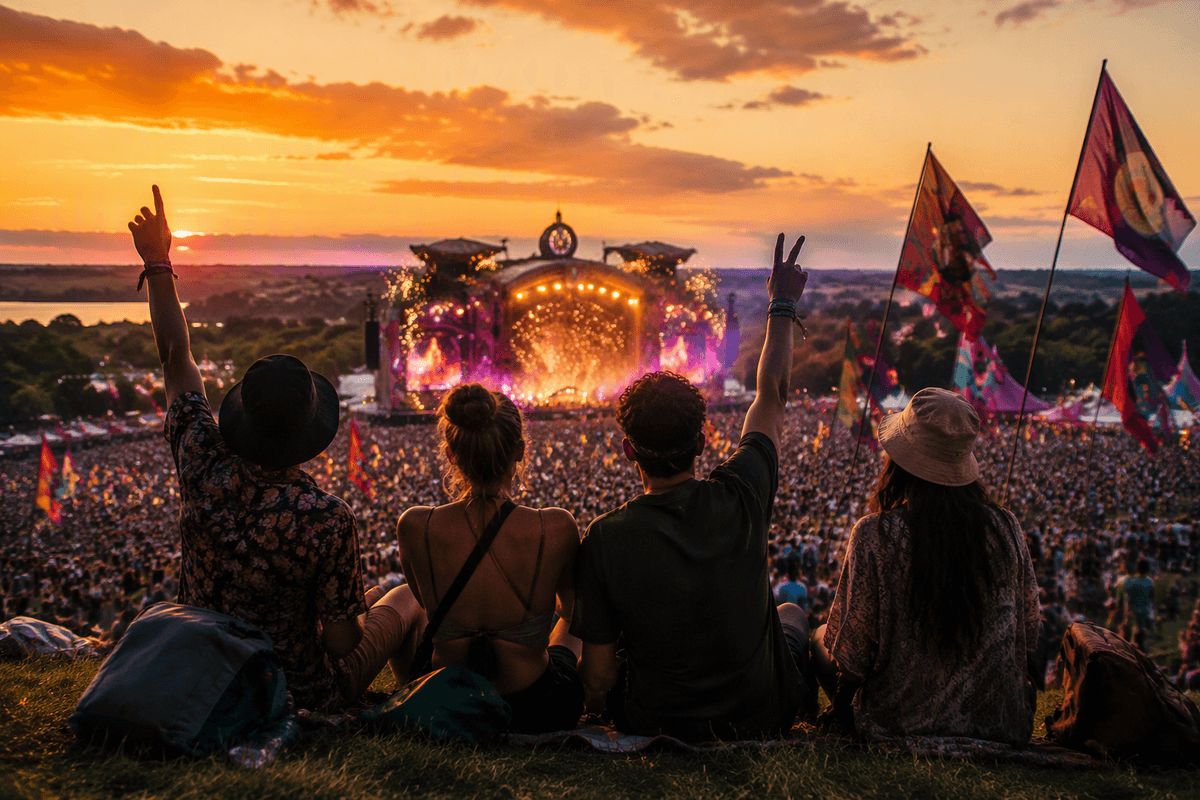
For the “once in your life” camping story, Glastonbury (UK, late June) is iconic, but it’s also the least forgiving if your dates are fixed: tickets move fast, the site is huge, and weather can swing from dreamy to endurance test. A more predictable middle ground is Sziget (Budapest, August), which feels like a full week of music plus city break; the catch is stamina—seven days sounds luxurious until you realize you’re budgeting energy, not just money. If you can pick only one, decide whether your group values production (Tomorrowland), city flexibility (Primavera), or legend status (Glastonbury) before you chase a lineup.
Americas: city-block parties to desert spectacles
We almost defaulted to a “big U.S. name” because it felt simpler—until we mapped the actual friction: in the Americas, the festival style dictates your trip structure more than the lineup. City-block events can let you sleep in real beds and squeeze in museums or food between sets, but they punish you in quieter ways (surge pricing, long exit lines, and the nightly debate of “do we leave early or pay for it tomorrow?”). Desert and destination festivals flip that: fewer side quests, more immersion, and far less flexibility if someone’s tired or the weather turns.
If your group wants a true spectacle and doesn’t mind building the trip around it, Coachella (California, April) is the cleanest “desert icon,” but the comfort costs stack fast—Palm Springs-area lodging and transport become the real budget line item, and staying farther out turns every night into a commute. EDC Las Vegas (May) is easier to execute with hotels and flights, yet it runs late enough that it can wreck your daytime energy for anything else you planned.
For a more international-feeling win without a brutal time-zone jump, Corona Capital (Mexico City, November) is a strong city-based anchor: you can actually do a 7–10 day trip that isn’t 100% festival. The constraint is altitude and logistics—CDMX can feel slower physically, and where you stay matters because traffic can erase the “easy city festival” advantage if you’re too far from the venue.
Asia, Africa, Oceania: standout scenes and surprises
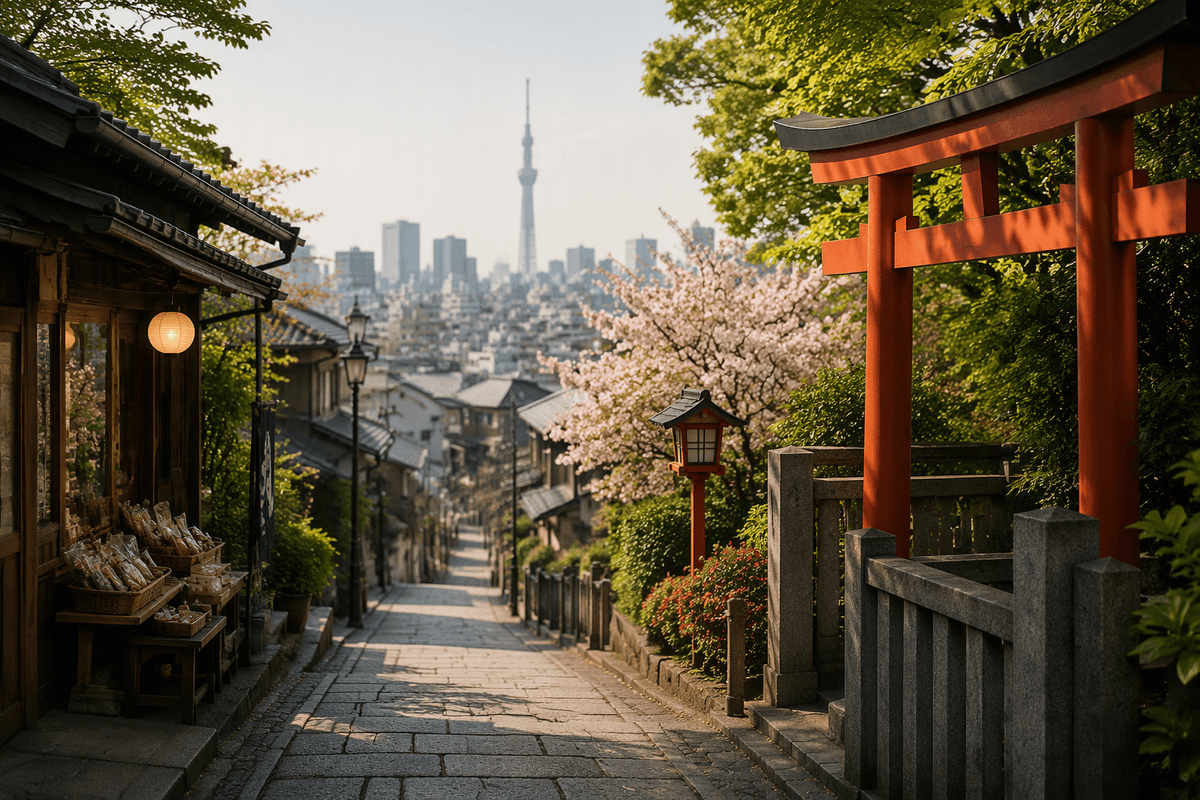
Halfway through building an Asia-Pacific shortlist, we hit the first real question that doesn’t show up on posters: are you okay spending two of your 7–10 days just getting your body clock back? For East Asia, that long-haul jet lag can steal the “bonus travel days” you thought you had, which is why a clean, city-based setup can matter more here than in Europe. Fuji Rock (Japan, typically late July) is a classic if your group can handle a rural commute and unpredictable mountain weather; it’s memorable, but it’s not “pop out for dinner” easy. If you’d rather keep logistics tight, Summer Sonic (Japan, typically August) tends to behave more like a city weekender—simpler beds, simpler transit—at the cost of less of that all-in festival bubble.
Southeast Asia can be a sneaky win for mid-range budgets, but seasonality becomes the constraint. If your only vacation window lands in peak rainy months, the “outdoor dream” can turn into a humidity-and-downpour grind fast. ZoukOut (Singapore, typically December) is easy to execute with flights + hotels, while beach or island-leaning events can add ferry schedules and weather risk that your group can’t brute-force with money.
In Africa, the standout is often the scene rather than scale—and that’s the point—yet planning has sharper edges. MTN Bushfire (Eswatini, typically May) and Rocking the Daisies (South Africa, typically October) can pair well with a wider trip, but you’ll want to treat local transport, late-night safety, and distances as fixed limitations, not “we’ll figure it out” details. Oceania looks straightforward on paper, but availability volatility is real: Splendour in the Grass (Australia, winter season) has had stop-start years, so don’t book flights before you’re confident it’s on; Rhythm and Vines (New Zealand, late December) is a better bet if your group wants a clean, end-of-year anchor and can live with peak holiday pricing.
Plan smart: tickets, lodging, safety, and timing
For international festivals, I’ve found it’s cleaner to agree in advance on one rule—either “we only buy if we can secure X tickets” or “anyone who gets in buys immediately and we sort the rest later.” The second option is emotionally messier, but it prevents the worst-case outcome: flights booked for a festival you can’t actually enter.
Lodging is where mid-range budgets get quietly ambushed. If it’s a city festival, choose between paying for proximity (walkable or one train line) or paying in time every night; after three late exits, the “cheaper neighborhood” math often collapses under fatigue and surge pricing. For camping festivals, the real decision isn’t “camp or not,” it’s whether your group can handle gear logistics abroad—renting pre-pitched setups can cost more, but it buys back daylight and morale.
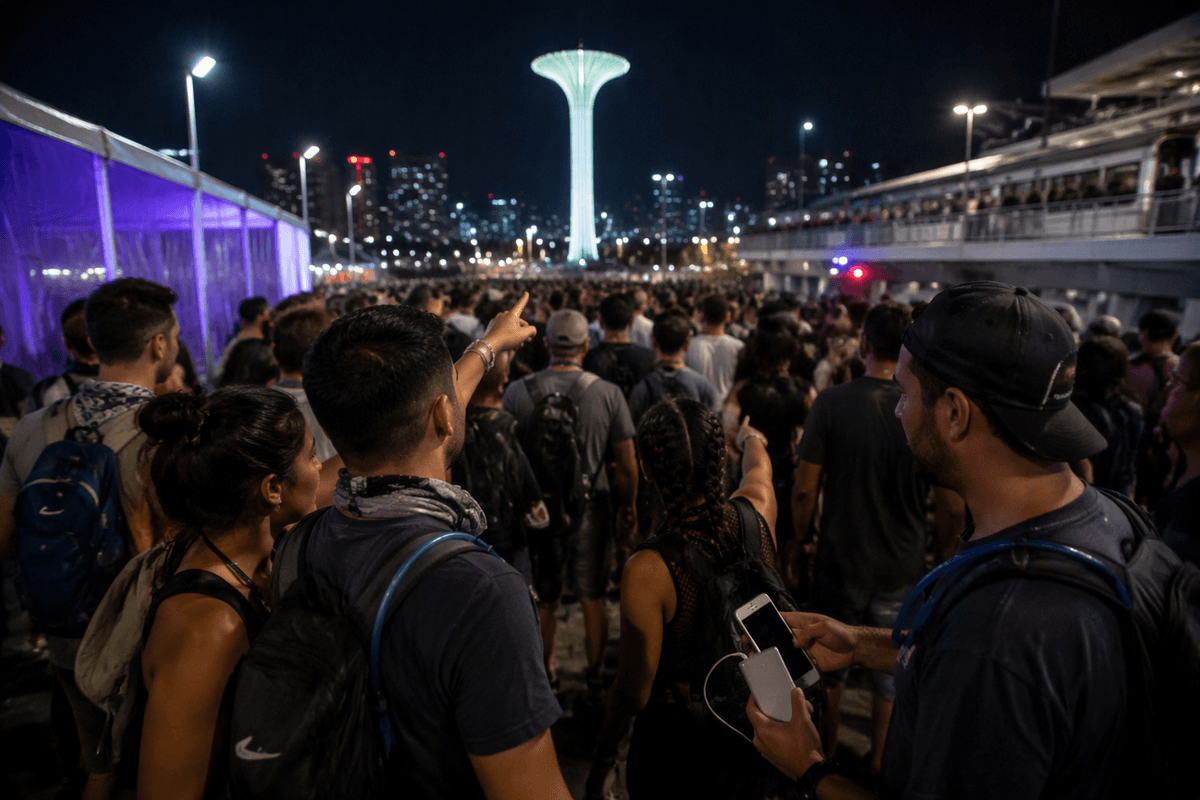
Safety and timing are less glamorous but decisive: set a hard meetup point and a hard cutoff time for anyone who wants to leave early, because dead phones and packed transit turn small separations into hour-long spirals. Also, add a buffer day on the front end if you’re crossing major time zones or relying on rural shuttles—missing a Thursday check-in can snowball into paying premium prices for whatever accommodation is still standing.
Picking one festival you’ll remember for years
The night we finally committed, it wasn’t a lineup that settled it—it was a calendar screenshot and the uncomfortable realization that “legendary” is meaningless if your group can’t physically enjoy day two. We picked one non-negotiable (dates) and one preference (beds vs. camping), then forced every festival option to pass that filter first, even when the hype made us want to bend the rules.
If you want the cleanest execution on a mid-range budget, city-based festivals usually win on recovery and optionality, but they can nickel-and-dime you through last-train stress, late-night rides, and hotel surge nights. If you want the most distinct “we did it” memory, destination/camping festivals deliver that all-in feeling, but they’re less forgiving: weather, long walks, and one exhausted friend can reshape the whole trip.
Decision cue: choose the festival that still looks fun in the worst realistic version of your trip (missed train, rain, tired legs). You’re not selecting the “best festival”—you’re selecting the best week your group can actually finish.