Why “personalized” feels different in young cancers
The first time someone says “this plan is personalized,” it can land like both comfort and confusion. Two teens can sit in the same waiting room with the same diagnosis name, yet one leaves with weekly visits and another with a longer hospital stay. It may look like the team is changing its mind, when what’s really shifting is what they’re trying to protect at the same time: getting control of the cancer while keeping room for a young body to keep growing, healing, and functioning at school and home.
In younger patients, “personalized” often means the plan has more moving parts. Tumor features matter, but so do things like how quickly side effects show up, whether appetite and sleep bounce back between treatments, and how well a student can manage a full day before crashing. Early scan or lab patterns can nudge timing, dosing, or supportive meds—not because anything was “wrong” with the original plan, but because the first few weeks reveal how this specific body is tolerating and responding.
How tumor biology and growth affect treatment choices
Sometimes the first clue that “biology” matters isn’t a lab report—it’s how fast the story changes. A scan that looks only slightly different can be described as “stable” for one teen and “concerning” for another, because some tumors tend to grow in quick bursts while others creep. That expectation shapes how tightly treatment is timed, how long doctors are willing to watch and recheck, and whether a smaller change counts as progress. It can also explain why one plan leans on surgery early, while another starts with medicine to shrink things first.
Growth and development add another layer that adults don’t always notice. The same drug can behave differently in a body that’s still building bone, adjusting hormones, and trying to keep up with school-day energy demands. If nausea lingers, sleep flips, or stamina fades week by week, the team may adjust doses, spacing, or supportive meds—not to “go easier,” but to keep treatment intense enough to work without knocking recovery so far off track that the next step gets delayed.
Genetic testing: three paths with different meanings
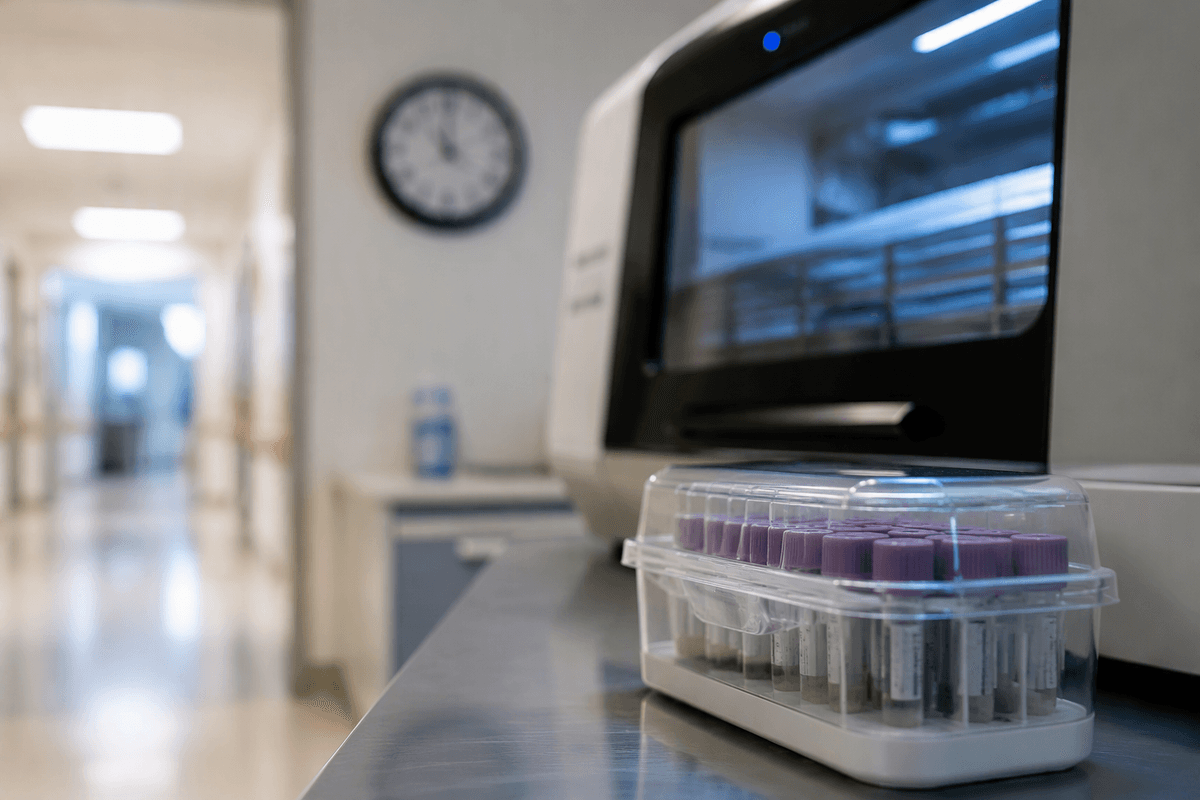
It often shows up as an extra line in the portal: “molecular testing pending.” Families hear “genetic” and think it’s one thing, but the word gets used for three different paths that can lead to very different conversations. One is testing the tumor itself, looking for changes inside the cancer cells that might explain behavior or point toward a targeted drug. Another is germline testing, done from blood or saliva, looking for an inherited risk that may matter for siblings, future screening, or how certain treatments are chosen.
The third path can feel like the in-between: broader profiling that helps with classification and prognosis even if it doesn’t change today’s treatment. This is where “more information” can be oddly unsatisfying—results may be “no actionable findings,” or they may find a change that sounds dramatic but has unclear meaning in teens and young adults. Waiting on these answers can make the plan feel paused, even when the team is quietly deciding what would truly change if a result comes back.
When “more information” creates new uncertainty
It can start with a notification that looks reassuring—“additional markers reported”—and then a clinic visit that feels less certain than the one before. A result may come back as a “variant” with an unfamiliar label, or a scan report may use softer words like “indeterminate” or “cannot exclude.” For parents, it can feel like the ground moved: yesterday the plan sounded clear, and today everyone is talking in careful sentences.
More data doesn’t always narrow choices right away, especially in teens and young adults where some findings are less well-studied. A tumor change might suggest a targeted option, but only after standard treatment, or only within a trial. A lab trend might look worrisome on paper, yet match a normal post-treatment dip that usually recovers. Even response can be messy—one spot shrinking while another lags—making the team weigh whether to stay the course or adjust. The uncertainty isn’t a failure of personalization; it’s often the cost of looking closely.
Balancing cure goals with late-effect realities

The first time your teen says, “My legs feel weird,” it’s easy to wonder if it’s just stress, a bad night of sleep, or something you should report immediately. In these months, small changes can feel loaded. A team may ask about tingling, ringing in the ears, mouth sores, or how long it takes to recover after a school day—not because they’re losing focus on cure, but because certain side effects can quietly become the thing that limits what comes next.
This is where “personalized” can start to feel like a negotiation with time. The cancer plan still aims for the best possible control, yet the body’s future is in the room too: nerve irritation that might linger, fertility risks, heart strain, learning and attention changes, or growth and hormone shifts. The late effects aren’t always predictable, and they don’t show up on a single lab. So the team may hold a dose, change a drug, or adjust timing based on patterns—how appetite returns, whether fatigue is resetting between cycles, whether school tolerance is shrinking—trying to keep today’s intensity from creating tomorrow’s permanent ceiling.
Clinical trials and targeted therapies: realistic trade-offs
It may be a small moment: the fellow mentions a “trial option,” and suddenly the word personalized sounds less like tailoring and more like gambling. Families often picture a last-resort experiment, while the team is usually thinking about structure—extra monitoring, tighter rules about timing, and a clearer way to learn whether a targeted drug is actually doing what the tumor’s report suggests it might. Still, it can feel unsettling to hear that the plan could depend on a study slot, an eligibility checklist, or a washout period that doesn’t match the school calendar.
Targeted therapies can look gentler on paper, yet the trade-offs are real. Some work best only for tumors with a very specific change, and even then the benefit may be modest or temporary. Side effects can also be different rather than smaller—skin issues, diarrhea, liver irritation, blood pressure changes, or fatigue that makes a “normal day” harder to predict. Decisions often come down to what you’re buying: a chance at better control, at the cost of more uncertainty, more appointments, and sometimes less flexibility.
Coordinating care across school, home, and hospital
It’s often the email from school that hits hardest: a reminder about attendance, a missed exam, a form that needs a clear return date you don’t actually have. Meanwhile the clinic is talking in cycles and counts—when neutrophils recover, how nausea behaved after the last infusion, whether fatigue is easing by day five or stretching into day ten. Those details can sound small, but they’re the pieces that determine whether a “full day” is realistic next week, or whether it’s better to plan for two classes and a long nap.
Coordination usually breaks down in the gaps, not the big decisions. A late lab draw can push treatment later, which shifts transportation, work coverage, and school plans all at once. A new fever rule, a medication that must be taken with food, or a steroid week that flips sleep can make a previously workable routine suddenly fail. In some stretches, the most “personalized” part is simply noticing patterns early—what a school day costs in recovery—so schedule changes feel like a response to the body, not a loss of momentum.