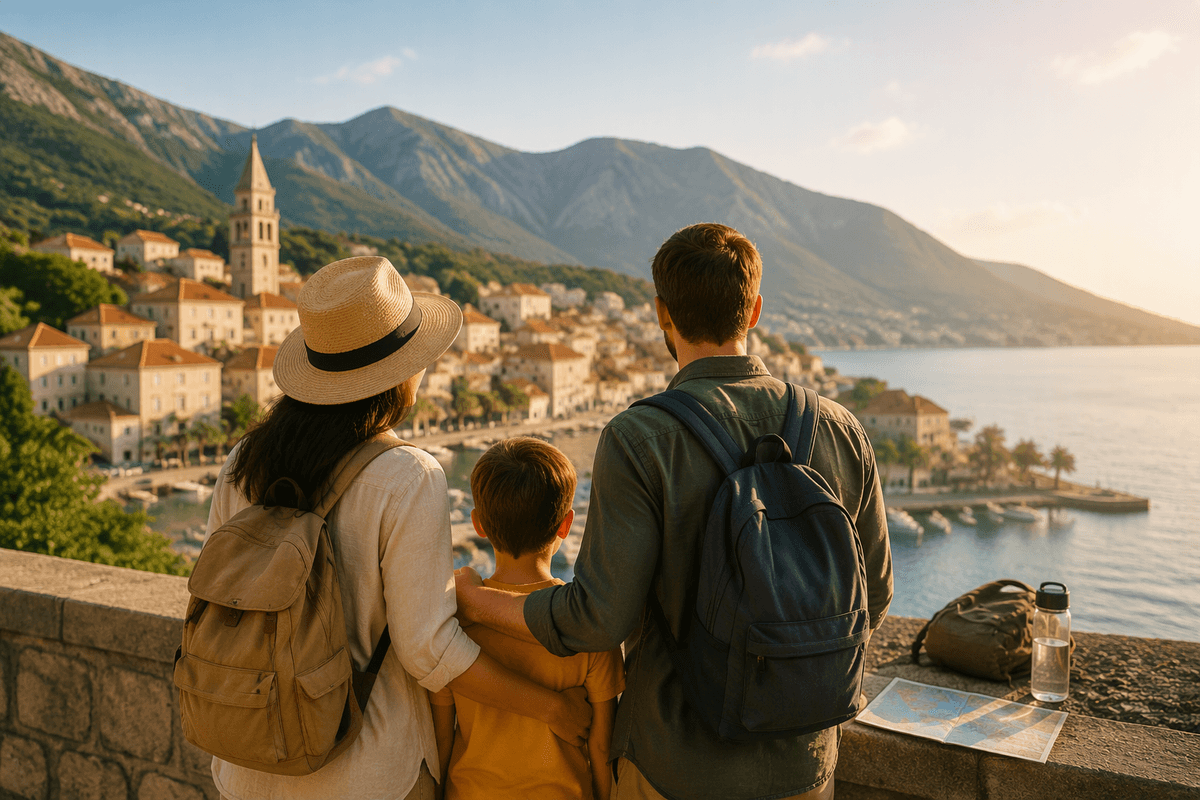
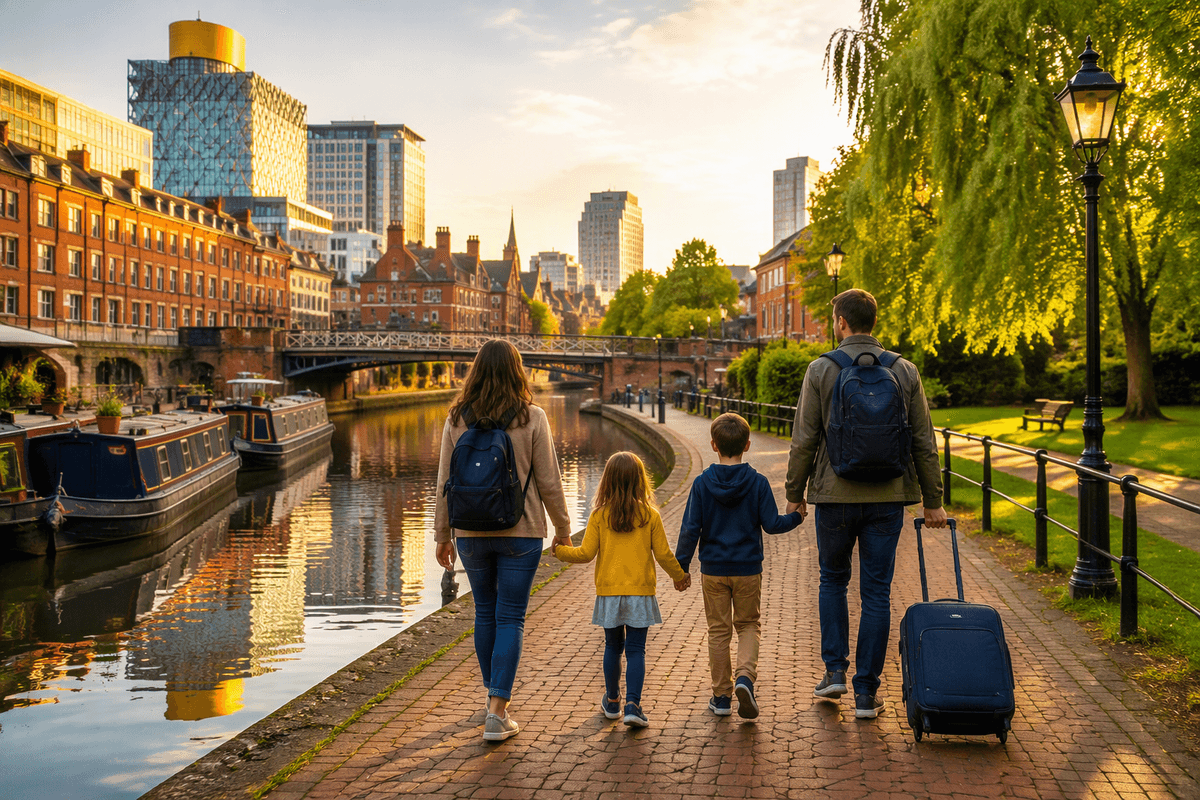
Why “safe” feels unclear for family travel
I got stuck at the same point most working parents do: the moment you type “safest places to travel with kids” and the results don’t agree with each other. One list is basically “low crime,” another is “best hospitals,” and a third quietly assumes you’ll rent a car and never take transit. With a 4-year-old and a 9-year-old, “safe” isn’t one thing—it’s whether the whole week feels predictable enough to run on limited PTO.
Headlines don’t help because they’re rarely calibrated to family logistics. A destination can be statistically safe but still feel stressful if you’re juggling late-night arrivals, long airport transfers, or neighborhoods that swing from calm to chaotic by the block. And places that look “easy” on paper can get complicated fast when heat, wildfire smoke, or rainy-season flooding turns a simple day into a cancellation spiral.
How to judge family safety beyond headlines
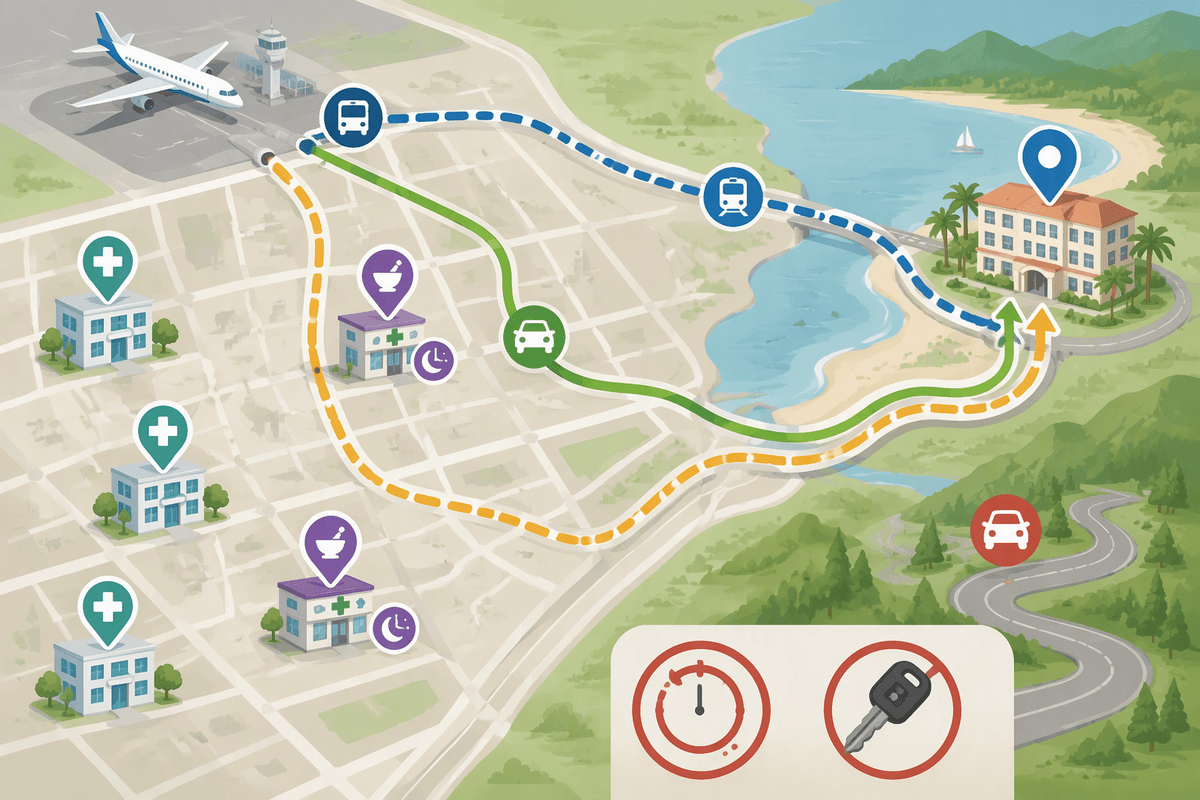
I usually start with one uncomfortable question while I’m still staring at flight times: if my 4-year-old spikes a fever at 10 p.m., how quickly can we get competent care without turning the night into a logistics puzzle? That single scenario forces you past vague “safest country” rankings and toward the stuff that actually keeps a 7–10 day trip calm: clinic density near where you’ll stay, pharmacy hours, and whether you can communicate clearly (or reliably translate) under stress.
From there, I separate “stat risk” from “friction risk.” Stats include petty theft rates and road safety; friction risk is what makes families vulnerable even in low-crime places—late arrivals, long transfers, rental-car dependency, or neighborhoods that change block to block. A destination can look great on paper but fall apart if the airport-to-hotel route is complicated after bedtime, or if you’ll be pushing a stroller across uneven streets all week.
Finally, I sanity-check seasonality and infrastructure. School-break travel amplifies crowds, which can make public transit feel less safe and more exhausting even when it’s objectively fine. If you’re choosing between a “safe” beach town with limited urgent care versus a bigger city with excellent hospitals but more pickpocketing, most families do better with the city—because the risks are easier to manage once you’re there.
Safest destination types for most families
The first fork I make on a family trip is boring but decisive: do we want a “basecamp” destination where we can do most days without a car? For most families, the lowest-stress option is a compact city or resort area with a direct airport transfer, walkable essentials (breakfast, playground, pharmacy), and multiple clinic options within a short ride. It costs more per night, but you buy back time and certainty.
Next safest category is the “easy-network” region: places where trains and buses are predictable, signage is clear, and you can string together simple day trips without heroic planning. These destinations handle crowds well, which matters during school breaks—but the trade is that the most convenient neighborhoods book out early, and peak-season transit can feel overwhelming with a tired 4-year-old.
Finally, I’m cautious with scenic, spread-out itineraries (national parks, rural coasts, “drive-the-loop” routes). They can be wonderfully calm, but your safety margin depends on road conditions, weather swings, and how far you are from after-hours care. If you choose this style, it works best when you keep driving days short and pick one hub town with services instead of bouncing nightly.
Top family-safe picks by region
When we narrowed it down for a school-break window, the surprising limiter wasn’t “is it safe?”—it was “can we get there without a connection that lands after bedtime?” For most U.S.-based families, that’s why I like building a shortlist by region first, then letting flight time and medical access do the final filtering. A destination can be objectively low-risk and still feel stressful if you lose a day to time zones or arrive wiped out with no easy plan for food and sleep.
North America: Canadian big cities (Vancouver, Toronto, Montréal) and “contained” U.S. metros with strong kid infrastructure (think Boston- or San Diego-style logistics) tend to behave well: reputable hospitals, familiar pharmacy systems, and predictable transit. The catch is cost in peak weeks—walkable neighborhoods near parks and museums get expensive fast, so you’re often choosing between a smaller room in the right area or a bigger rental that adds daily transit friction.
Europe: Nordic capitals and the Netherlands are consistently easy-mode for families—clear signage, stroller-friendly transit, and dense services—while Switzerland is incredibly smooth if your budget can take the hit. Asia-Pacific: Japan and Singapore are high-confidence picks for day-to-day order and healthcare, but the flight length and jet lag can erase the “low-stress” benefit on a 7–10 day trip unless you keep the itinerary to one base. Oceania: Australia/New Zealand feel straightforward once you’re there, yet they’re rarely “efficient” from the U.S. on limited PTO.
Practical safety planning before you book
We almost booked a “safe on paper” deal, then noticed the return flight landed at 9:45 p.m. with a 90‑minute drive after baggage claim—and that’s the kind of detail that turns into bad decisions when kids are overtired. Before you commit, I like to run a quick pre-book check that’s less about fear and more about predictability: are you staying within 20–30 minutes of a major hospital, and can you name one urgent care and one late-night pharmacy near your hotel? If you can’t find those in ten minutes of searching, you’re signing up for uncertainty, even in a low-crime destination.
Next, price out the “hidden safety logistics,” not just the hotel: airport transfer method after dark, whether you’ll need car seats (and if your taxi/ride-share plan actually supports them), and how many door-to-door moves you’re forcing into a 7–10 day window. A slightly pricier, central neighborhood often reduces risk simply because you’re doing fewer complicated trips with bags and kids.
Finally, sanity-check seasonality like it’s part of safety: heat waves, wildfire smoke, hurricane windows, or winter storms can strand you faster than crime ever will. If you’re traveling during peak weeks, prioritize refundable stays—even if it costs a bit more—because flexibility is what keeps a “safe” plan from becoming a stressful one.
On-the-ground habits that prevent common issues
The first real stress-test usually hits on day one: you’re tired, it’s getting dark, and suddenly every “simple” step (SIM card, snacks, getting to the hotel) feels harder with kids in tow. What consistently works is treating the first 12 hours like a low-variance setup phase—pre-arranged transfer if you’re landing late, one familiar meal option within walking distance, and a hard rule that you don’t “squeeze in” sightseeing before everyone’s slept. You give up a little excitement, but you avoid the domino effect of overtired kids and rushed decisions.
Out on the street, most problems families run into are predictable: petty theft in crowded zones, getting separated for 30 seconds, and minor injuries at playgrounds or pools. I like one boring habit that pays off daily: keep passports and backup cards in the room safe (or locked luggage) and carry only what you need for that day. If you’re relying on public transit, ride earlier in the day when possible—late-afternoon crowds plus a stroller is where patience and situational awareness drop fastest.
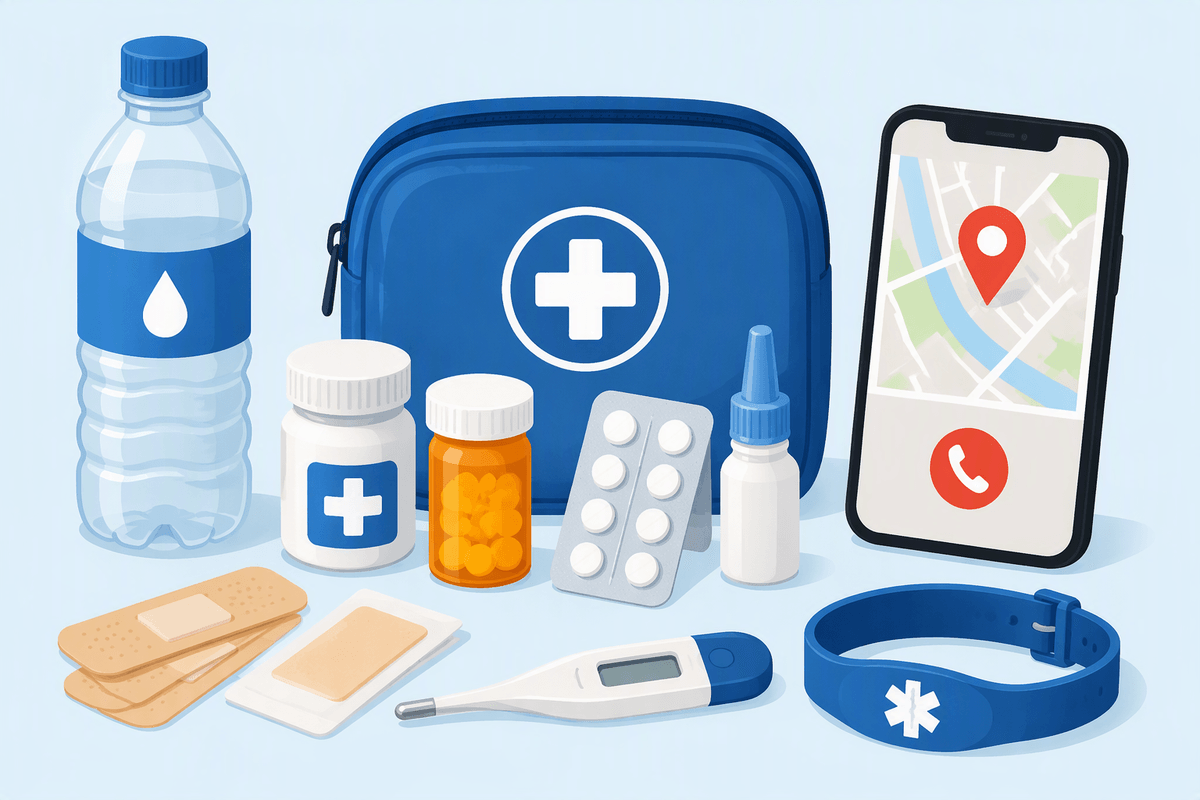
Health-wise, the best “safety move” is reducing the number of small frictions: buy water and basic meds early, don’t wait until someone’s sick, and keep a short note in your phone with the hotel address, local emergency number, and your kids’ allergy/med info. It’s a few minutes of prep that saves you from trying to problem-solve at 10 p.m. in an unfamiliar system.
Choosing the right “safe” trip for your family
The most useful moment is when you force a final cut: pick two destinations and ask which one you could run on autopilot if a kid gets sick or the weather turns. If the “safer” option requires three transfers, a car seat scramble, or a neighborhood gamble to save money, that safety is theoretical—your stress will show up first.
Then choose your core shape: one base with short day trips, or a loop with frequent packing. The loop can feel adventurous, but it spends your limited PTO on logistics and puts more distance between you and easy care. A single hub costs more in the right area, yet it usually buys back calmer mornings and fewer decision points.
Decision cue: book the trip where your worst-case night still looks manageable, not heroic. That’s what “safe” ends up meaning in real life.



![10 Best Investments for Roth IRA Accounts [Tax-Smart Growth]](static/image/2026/09/01/294b8a88-86c3-4ea2-afdd-320fc305e84d.png)