Why Islamorada surprises adventure-seekers
The first surprise hit before we even unpacked: Islamorada looks like a laid-back strip of islands, but your day can pivot fast depending on wind, tide, and how much motion you tolerate on open water. On a calm morning, you can stack high-energy options back-to-back; on a choppy one, the same plan can turn into a queasy, canceled mess.
What makes it work for adventure-seekers is the menu density—reef snorkels, wreck dives, jet skis, wake sessions, flats paddling, and offshore fishing—compressed into short drive times from most hotels. The catch is that the “best” pick changes by conditions: Atlantic-side trips get rougher sooner, while bay-side mangroves stay doable when it’s blowing.
If you only book one thing early, make it the boat with limited seats (dive or fishing). Keep a self-powered backup (paddle or shoreline snorkel) for stormy afternoons when captains call it.
On-the-water thrills: speed, spray, and wake
Our first real decision point came at the marina: jet skis looked like the obvious “adrenaline button,” but the day’s wind mattered more than our enthusiasm. In lighter conditions, a guided jet ski tour along the ocean side feels fast and cinematic; once the chop builds, that same speed turns into hard impacts and a higher chance of calling it early—especially if either of you is even mildly prone to lower-back soreness or motion sickness.
If you want a cleaner, more controllable thrill, look at wakeboarding or tubing behind a boat in Florida Bay. The water is often flatter, and you can scale intensity from “laughing the whole time” to “full grip strength workout” without committing to long open-water runs. The constraint is timing: calm mornings book up first, and many operators need a minimum window that doesn’t play well with a late start from Miami.
Booking-wise, reserve anything that requires a captain and a boat (wake session, ski/tube, guided jet skis) at least a few days out for a 4-day stay. Keep one flexible slot for a windier day—bay-side towing usually stays viable when ocean-side tours get uncomfortable or canceled.
Underwater action: reefs, wrecks, and deep drops
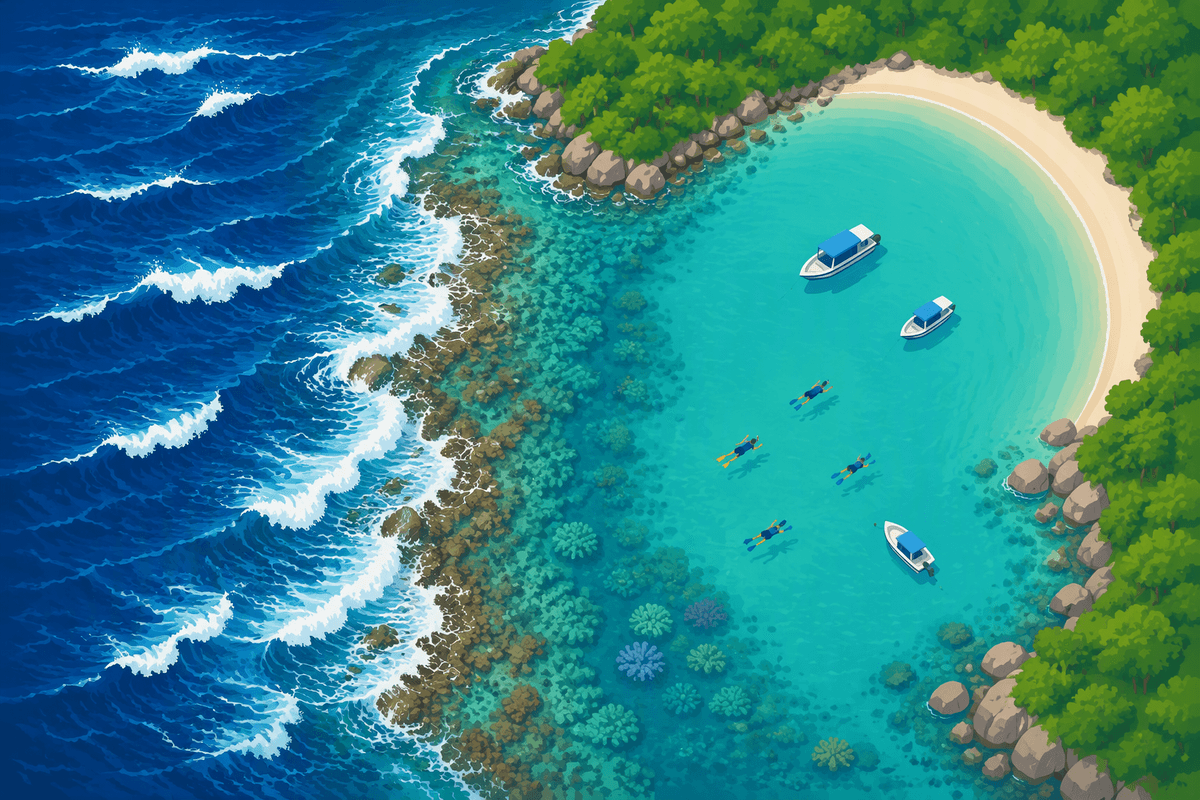
The first time we geared up for a reef trip, the “snorkel or dive?” question felt simple—until we realized it’s mostly a sea-state decision. In calm water, an ocean-side snorkel is the fastest payoff for a short stay: you’re in, you’re seeing color, and you’re back before lunch. When the surface is lumpy, snorkeling becomes a face-down endurance test (and a motion-sickness trigger), while divers often tolerate the same day better once they’re below the chop—assuming you’re already certified and comfortable managing buoyancy in current.
Wrecks and deeper drops raise the stakes in a useful way: better structure, bigger fish, and a more “earned” feeling, but less forgiveness on time and conditions. Depth limits bottom time, and rough entries can turn a two-tank morning into something you’re glad you didn’t schedule right before a long drive. If you’re not certified, don’t burn half a day trying to force a last-minute class—book a guided snorkel now and keep a “try dive” only if the operator confirms it’s truly beginner-friendly.
For a 4-day window, I’d book one morning boat slot (snorkel or certified dive) early, then keep a backup that works in wind: shoreline-friendly spots, or anything bay-side when the Atlantic is uncomfortable.
Paddle-powered exploration: mangroves and flats
We realized paddling was the only plan that didn’t depend on a captain saying “go” when the forecast got twitchy—so we aimed for a Florida Bay launch early, before the breeze turned the open flats into a slow-motion workout. Mangrove trails feel like the cheat code here: you still get a sense of exploration, but the trees break up wind and chop in a way the ocean side just doesn’t.
The main constraint is friction you don’t see on Instagram: tide and sun. At low water, some shallows get grabby and you’ll end up scooting over turtle grass (not fun, and not great for the seagrass). Midday, the heat bounces off the water and turns “easy paddle” into a dehydration test—especially if you’re doing this between higher-intensity boat days. If you’re not confident navigating, a guided eco-tour is worth it for keeping you in deeper cuts and actually finding wildlife; rentals are cheaper and more flexible, but you’ll spend more time second-guessing routes.
Booking is usually lighter than boats, but reserve guided tours for the calmest morning you can—winds pick up fast, and paddling into them is the kind of effort that quietly steals your afternoon.
Big-game fishing and hands-on charters
We almost skipped offshore fishing because it sounded like an “all-day guy thing,” but Islamorada’s charters are surprisingly modular—if you pick the right format. A half-day (4–5 hour) trip can still feel like a legit mission, especially if you leave early when the ocean is calmer and the bite is more predictable. The catch is comfort: if the wind is up and you’re running out past the reef line, that first ride can be the motion-sickness moment that ruins the rest of your day.
If you want hands-on without needing skills, ask for a “light tackle” or mixed trip rather than a pure big-game hunt. You’ll usually get more active time—casting, jigging, popping—versus long trolling stretches that can feel passive if nothing’s happening. True offshore big-game can be incredible when it’s on, but it’s also the most forecast-dependent option in a 4-day window.
Booking-wise, lock your charter in early (limited boats, limited prime mornings), and keep your most flexible day for it. If seas build, pivot to a bay-side backcountry charter: less pounding, more consistent action, and you’re not burning hours just getting to fishable water.
Land-and-air kicks: trails, views, and sunset rides
By day three we wanted a break from salt spray, but “land options” in the Keys can feel like an afterthought unless you pick the right scale. Windley Key Fossil Reef Geological State Park is the rare stop that’s short, interesting, and doesn’t require perfect weather—more like a 45–90 minute legs-stretch than a hike. It works best early or late because midday heat and zero shade can make the limestone paths feel harsher than the mileage suggests.
For views without committing to another boat, we liked a simple bike or e-bike run on the Old Highway around Upper Matecumbe—flat, fast, and flexible if your schedule slips. The constraint is traffic comfort: some stretches feel relaxed, others feel narrow, so it’s not the place to “learn” road riding. Aim for golden hour and bring lights; sunset rides are great until the mosquitoes and darkness show up at the same time.
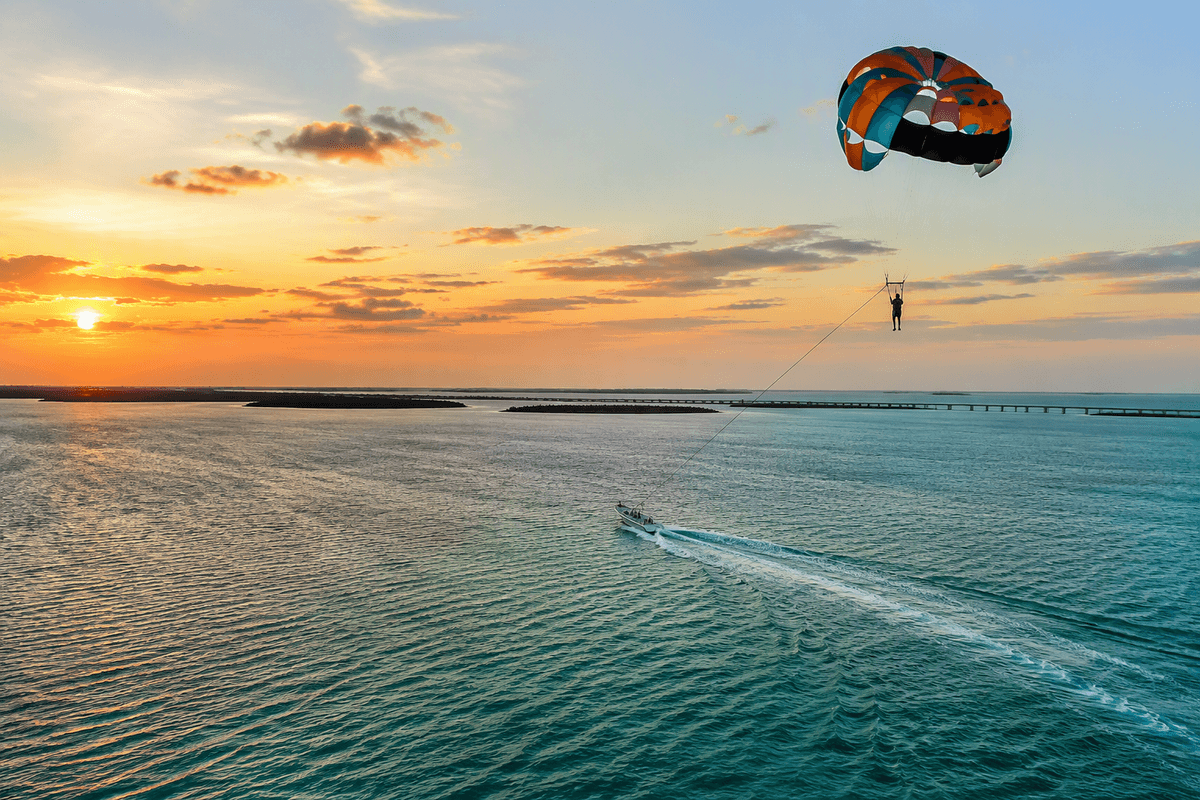
If you want “air” specifically, parasailing is the cleanest hit of adrenaline with minimal skill, but it’s more wind-sensitive than it sounds—keep it as a bookable add-on, not your one locked-in plan.
Build your perfect Islamorada adventure mix
On our last morning, the only thing we planned in advance was the order: do your most sea-state-sensitive “boat mission” first, then fill in the rest around reality. For a 4-day stay, I’d anchor one early-morning slot for either a reef snorkel (fast payoff, but rougher if choppy) or a certified two-tank dive (more gear/time, often tolerates surface bump better once you’re down). Add one half-day fishing charter on your most flexible morning—offshore if it’s calm, backcountry if it’s blowing.
Then build the “doesn’t fall apart” layer: a bay-side wake/tube session or guided jet ski tour if you’re chasing speed, plus a mangrove paddle as your low-commitment wildcard (it still works when captains start canceling). If either of you gets motion-sick, keep the longest open-ocean run as an optional upgrade, not a must-do.
Booking rule that saved us: reserve anything with limited seats (dive boat, fishing) before you fly; leave paddling/bikes as same-day pivots when wind, heat, or fatigue makes your original plan feel heroic for the wrong reasons.





![10 Best Investments for Roth IRA Accounts [Tax-Smart Growth]](static/image/2026/09/01/294b8a88-86c3-4ea2-afdd-320fc305e84d.png)