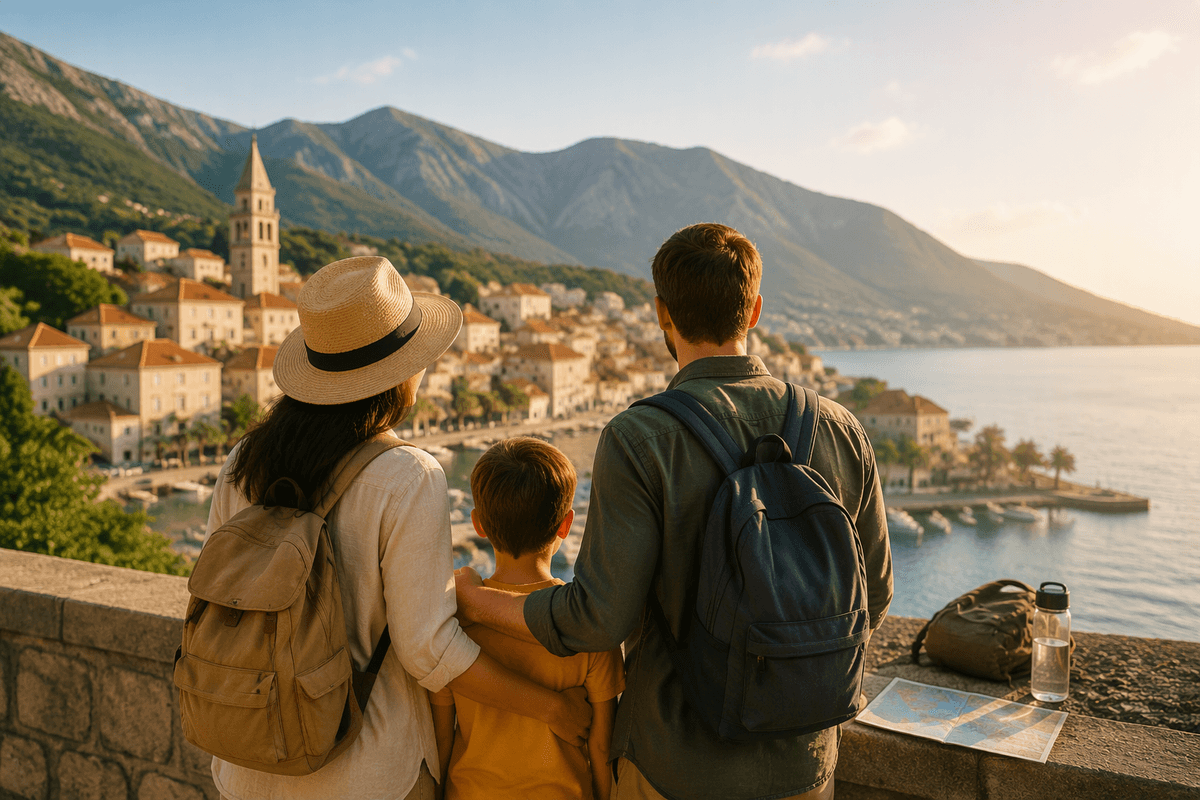
I hesitated on what to lock in before landing—Guatemala rewards spontaneity, but the wrong “we’ll figure it out” can turn into two hours of WhatsApping drivers while your daylight disappears. For a 7-day run, I’d only pre-book your first two nights in Antigua and one “anchor” experience you care about (a homestay meal or community-led market visit). Booking everything in advance keeps you moving, but it also makes you hostage to weather, festival crowds, or just plain fatigue.
The biggest friction points are time and altitude, not attractions. Antigua is an easy start because logistics are smooth, but it’s also where you’ll feel the most tourist gravity—great for settling in, less great for deep cultural contact unless you choose it deliberately. Lake Atitlán looks close on a map and still eats half a day in transit, so treat it as a base decision, not a casual add-on. If you have limited Spanish, download offline maps + Spanish (and keep a screenshot of your lodging address); it’s the difference between “minor confusion” and “stuck.”
Days 1–2 Antigua homestay
The first real decision in Antigua came fast: take the easy café breakfast on the plaza, or commit to a homestay meal at a set hour and let the day bend around it. I chose the meal, and it did what “cultural immersion” is supposed to do—pulled me out of the tourist loop—but it also meant planning transit and timing like an adult. If you’re staying central, assume 20–40 minutes of getting there plus buffer for confusion (limited Spanish, wrong door, WhatsApp directions), and don’t book anything “must-see” right before. The food itself was simple and excellent, but the bigger value was the pace: you can’t rush a family table without making it weird.
On the next morning, Antigua’s market worked best early, before the aisles tightened and souvenir stalls started to dominate the edges. It’s not the largest market you’ll see this week, but it’s low-stakes practice for navigating crowds and prices. I found it easier to buy one or two specific things (fruit for the day, a woven pouch) than to wander until decision fatigue hit; the longer I drifted, the more I paid “tourist tax.”
Evenings are where Antigua can slide into bar-hopping by default. If that’s what you want, pick one spot with a view, have one drink, and leave before it turns into a late-night blur—because an early start later in the week is non-negotiable. The city feels walkable at night, but I still treated side streets as optional and used short tuk-tuk rides when I was tired; saving $2 isn’t worth feeling on-edge.
D3 Coffee coop

The morning I committed to a coffee cooperative visit was the first time this trip felt like a schedule instead of a vibe—because you’re working around harvest rhythms, not your own appetite. If you go through a community-led operator, the logistics are smoother (pickup, introductions, translation), but it costs more than a casual “coffee tour” sold in Antigua. I liked the coop route because the money trail felt clearer, though it also meant accepting a slower pace on the farm: walking rows, watching processing, and hearing the same questions asked twice so everyone could follow in limited Spanish.
Cupping in the afternoon is where the experience either clicks or drags. If you’re not a coffee person, an hour of tasting can feel long, especially if you’re already a little headachey from altitude and sun. What worked for me was treating it like a skill, not a foodie moment—learn the basics, buy one bag you actually drank during the tasting, and skip the pressured “souvenir shelf.” Antigua has plenty of shops later; the coop purchase is meaningful, but your luggage space is still finite.
D4 Chichicastenango
The Chichicastenango day started with a quiet question in the dark: do you pay for a direct shuttle and arrive calm, or squeeze into a cheaper shared ride and accept a later arrival? I went earlier than felt reasonable, and it mattered—by mid-morning the market lanes tightened into slow-motion traffic, and “just browsing” turned into shoulder-to-shoulder decision fatigue. If you’re limited in Spanish, it helps to shop with a short list (textiles, candles, fruit) and a hard stop time; otherwise you’ll keep circling the same stalls, spending more simply because you’re tired.
At lunch I ducked out of the center for 30 minutes—less for food, more to reset. Coming back in, the cemetery visit worked best as a contrast, not a checklist item: it’s quieter, but the meaning isn’t self-explanatory, and photos can feel intrusive fast. I kept it brief and asked before pointing a camera anywhere near people; the “authentic moment” isn’t worth making someone uncomfortable.
By evening, the shows were the easiest win and the easiest miss. They’re convenient after a long day on your feet, but the quality varies, and if you’re already wrung out from crowds, even a good performance can feel like homework. I chose one short show, then went to bed early—tomorrow’s transit will punish a late night.
D5 Atitlán villages
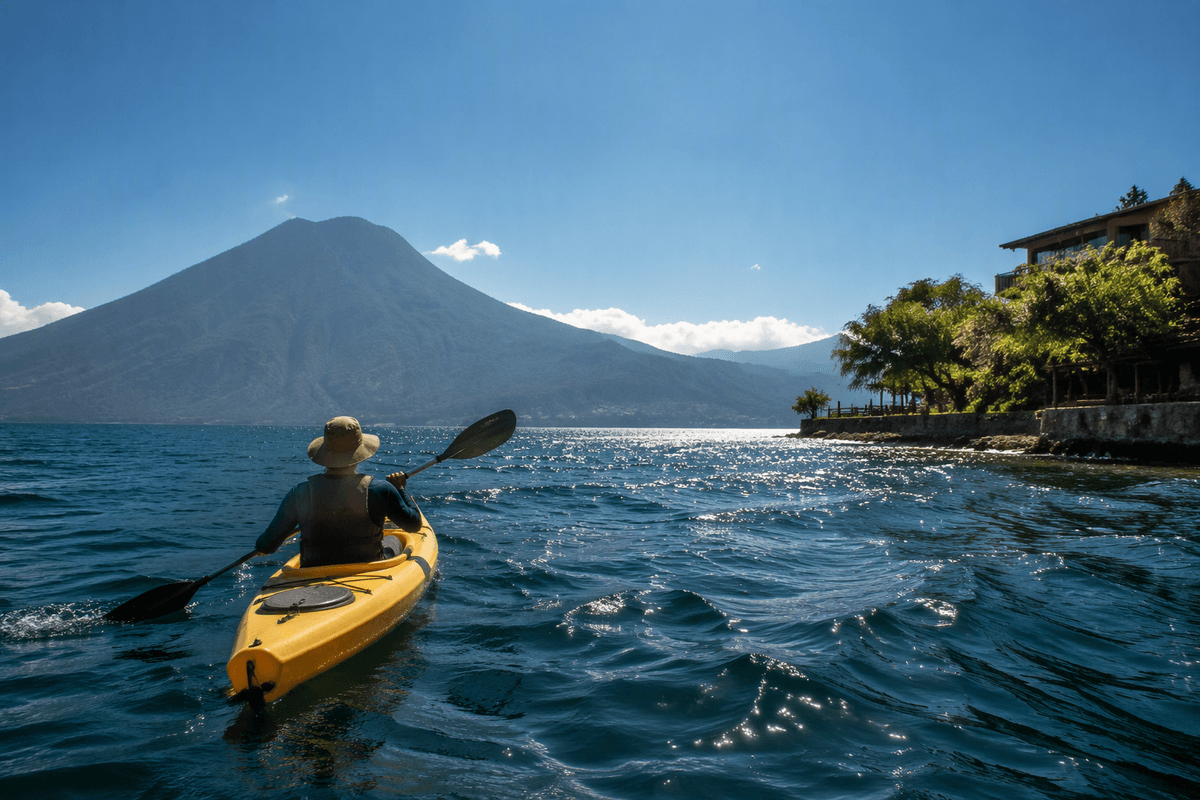
I arrived at Lake Atitlán with that familiar mid-trip optimism—until I watched 30 minutes disappear just figuring out which dock actually matched my boat. The lake is compact on a map and fussy in real life: wind can slow crossings, and “next lancha” can mean now or in a while. For a first-timer with limited Spanish, it’s worth choosing one home base (Panajachel for convenience, San Pedro for budget/social, San Juan for quieter craft focus) and treating other villages as day trips; hopping hostels every night sounds adventurous and mostly turns into carrying bags and renegotiating check-in times.
Midday, I aimed for a weaving workshop in San Juan, where the experience feels more grounded if you book through a cooperative or a community guide rather than wandering into the first storefront offering a “demo.” The difference isn’t subtle: one is a real lesson with context (natural dyes, backstrap loom basics), the other can be a five-minute sales funnel. Plan for it to move slower than you expect—translation, questions, and the pace of the loom—and don’t schedule a tight boat connection right after unless you enjoy sprinting to docks.
In the afternoon I kayaked, and it was the rare Atitlán activity that’s both simple and revealing—until the wind picked up and made the return feel like a workout. Go earlier if you want calm water, and be honest about sun exposure; the lake reflects light aggressively. That night, hostel choice mattered more than usual: lake-view rooms are nice, but thin walls plus party energy can wreck your next morning, so I paid a little more for quiet and slept like it counted.
D6 Iximché culture
I almost skipped Iximché because it sits in that awkward space between Antigua and the lake—close enough to feel “easy,” far enough that it can chew up a morning if you guess wrong on transport. What worked was treating it as a deliberate midday stop with a driver rather than a DIY puzzle of buses and connections; it cost more, but it kept the day from turning into roadside waiting and half-information in Spanish.
The ceremony piece is where you need a little humility and a little planning. If you arrive expecting a performance on demand, it can feel confusing or disappointing—there isn’t always something happening the moment you walk in. I did better asking ahead (through my lodging/driver) whether a guide or ajq’ij would be available, and then accepting that “available” still runs on its own timing. The setting is powerful, but it’s also exposed and weather swings quickly; bring a layer and don’t count on shade when you’re standing still for a while.
In the afternoon, the small on-site museum helped stitch together what the ruins don’t explain on their own, especially if you’ve been absorbing culture through markets and workshops all week. By early evening, I was ready to stop making decisions—so I kept the transfers simple, went straight to my next base, and traded a scenic detour for arriving before dark.
D7 Close well
On the last morning, I caught myself doing the classic end-of-trip thing: trying to “use up” the remaining hours like a coupon. It worked better to do the opposite—slow breakfast, a short walk, and ten minutes to write down what actually landed (one meal, one market, one conversation) before the details blurred. If you’re heading back to Guatemala City for a flight, this is also the moment to choose calm over clever; shaving cost with extra connections can turn into a missed check-in if traffic or lake wind stacks up.
Thanking people felt small, but it changed the tone of leaving. I sent a simple WhatsApp to my homestay contact and guide, tipped where it was appropriate, and didn’t overdo it with gifts I’d bought in a panic. If you want one “closing” purchase, pick something you’ll use—coffee you tasted, a textile you learned about—rather than a random trinket that just proves you were there. The week goes fast; leaving well is part of the immersion.


![10 Best Investments for Roth IRA Accounts [Tax-Smart Growth]](static/image/2026/09/01/294b8a88-86c3-4ea2-afdd-320fc305e84d.png)