Downtown NYC, decoded: why it overwhelms
I realized downtown can feel “small” on a map and still eat half a day in micro-decisions: Do we walk SoHo to the LES (and arrive sweaty and late), or hop the subway for two stops and lose momentum to stairs, platforms, and weekend reroutes? The neighborhoods change block by block, and the friction isn’t distance—it’s density, crowds, and the constant temptation to detour.
The overwhelm usually comes from mismatched expectations. SoHo/NoHo look like shopping-first areas until you’re stuck in a line for a hyped bakery at 11 a.m., while the LES can be bar-heavy in a way that’s fun at 10 p.m. and slightly grim at 8 a.m. FiDi feels efficient and clean on weekdays, but can go oddly quiet at night; Tribeca is calm, but you pay for the calm.
The shortcut: treat downtown like overlapping “modes” (shop, eat, drink, walk) rather than a single itinerary. Pick one anchor neighborhood per day, and accept you’ll miss a few viral spots unless you book early or tolerate waits.
Pick your base neighborhood: vibe vs convenience
The first real decision I had to make wasn’t what to do—it was where I wanted to “come home” to at 11:30 p.m. after dinner. Downtown looks walkable until you’re carrying shopping bags, your feet are done, and the train you counted on is running local. A good base reduces those little end-of-day failures (long transfers, scarce late-night food, surprise noise), but it also locks in a mood you’ll feel every time you step outside.
If you want maximum flexibility with minimal thinking, SoHo/NoHo is the safest default: central to most downtown hits, easy to pivot west to Tribeca or east toward the LES. The catch is weekend crowds and price—hotels here often charge for the “I can walk everywhere” fantasy, and it’s not always pleasant to thread through shoppers at peak hours. Tribeca is the opposite: it’s calmer and sleep tends to be better, but you’ll spend more time (and money on rides) crossing to the livelier east-side pockets.
The LES works when nightlife is a feature, not an accident—great for late bars and spontaneous snacks, rougher if you’re light-sleeping or starting days early. FiDi is the most efficient on paper (subway lines, quick airport-ish logistics), yet it can feel oddly empty at night; if your long weekend hinges on atmosphere, you may end up commuting back “into” downtown after dinner.
Where to eat: quick bites to destination meals
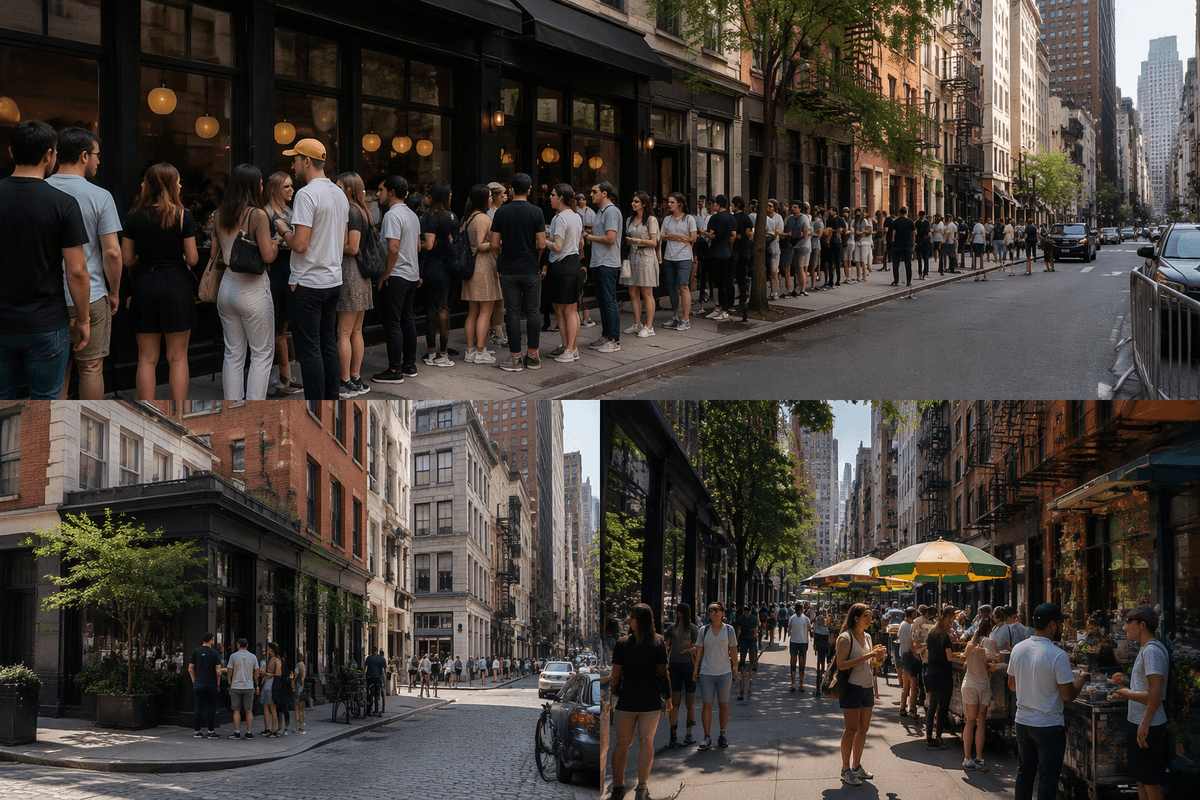
On my first downtown weekend, the most annoying meal problem wasn’t “finding good food”—it was realizing that the best-looking option at 12:30 p.m. often comes with a 45-minute line you didn’t budget for. So I started treating food like two categories: places that absorb crowds well (fast, flexible, no emotional damage if you bail) and places that are only worth it if you commit (reservation, timing, and a little transit discipline).
For quick bites, SoHo/NoHo is the easiest to “graze” without derailing the day, but it’s also where hype lines punish you the most on weekends. I’d use it for a structured lunch (sit-down, predictable timing) and save the truly grab-and-go stops for the edges—Tribeca and FiDi tend to be calmer midday, even if the selection feels more grown-up than trendy. The LES is the best late-afternoon snack zone because you can turn it into a bar crawl later, but it’s less forgiving if you’re trying to eat early and reset for the night.
For destination meals, downtown is reservation-first. If you only book one dinner, put it in the neighborhood you’ll be happiest ending the night in—walking ten minutes back beats negotiating a train platform when you’re full and tired. And if you can’t get the table you wanted, aim for an earlier slot (5:30–6:00) or a bar seat: it’s not the same experience, but it keeps the meal from consuming your whole evening.
Where to drink: cocktails, wine, beer, late-night
The moment I knew I needed a “drinks plan” was when we left dinner in SoHo at 9:45 p.m. and realized every appealing-looking room was either a 40-minute wait, a bouncer line, or a scene that didn’t match our mood. Downtown has great bars, but it’s not evenly distributed: if you wander without a target, you’ll spend your best hour walking past full places and settling for whatever has space.
For cocktails, I’d treat SoHo/NoHo and Tribeca as your controlled, sit-down zones—better for a single intentional drink, worse for spontaneity on a Friday or Saturday night when every small bar turns into a bottleneck. If you care about actually sitting, go earlier (pre-8:30) or aim for bar seating and accept you might not get the “perfect” table. The LES is the opposite: it’s built for momentum, with more options packed into fewer blocks, but it can skew loud and shoulder-to-shoulder fast, especially if you’re trying to talk.
Wine and beer are where FiDi quietly helps: earlier weeknight energy, less competition for space, and you can often get in and out without feeling like your night is hostage to a line. Late-night, the practical move is to end where you already are—crossing from west side calm (Tribeca) to east side chaos (LES) sounds easy until trains are spaced out and your feet revolt. If you want “one more,” pick the neighborhood you’re sleeping in and make it a short walk, not a heroic finale.
Where to shop: staples, indie finds, and souvenirs
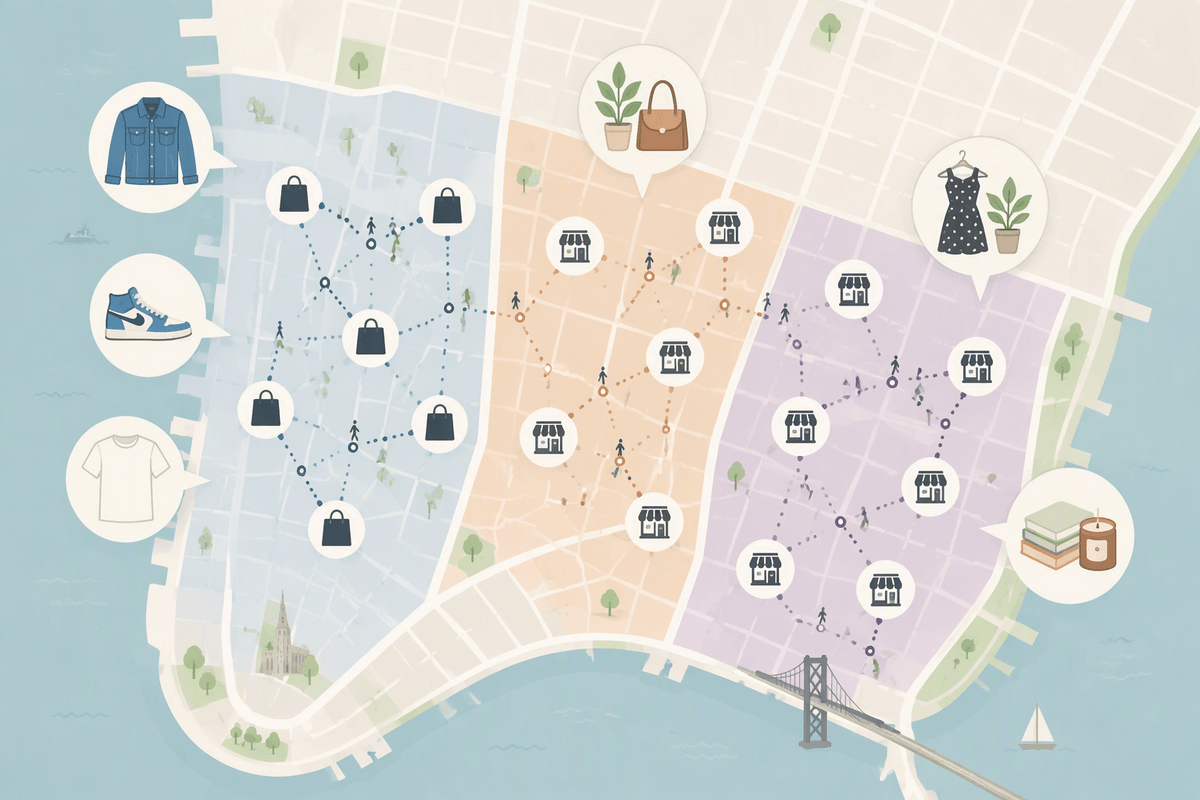
I made the classic mistake of starting shopping in SoHo at noon on a Saturday—great inventory, terrible throughput. The streets are a slow-moving obstacle course, and even “quick” stops turn into a sequence of lines: fitting rooms, registers, then the bottleneck of getting back onto the sidewalk. If you want staples (denim, sneakers, basics), go early—late morning on a weekday works best—because SoHo’s advantage is concentration, not comfort.
For indie-leaning finds, I had better luck treating NoHo and the LES as more selective zones: fewer mega-flagships, more shops where browsing doesn’t feel like a contact sport. The limitation is coverage—you might walk ten minutes between hits—so it’s a better pairing with a food plan (shop for an hour, then commit to lunch) than an all-day retail mission. If you’re staying in Tribeca or FiDi, I’d use those neighborhoods for “practical shopping” (quiet pharmacies, small essentials, no chaos) rather than expecting surprise discovery.
Souvenirs are where restraint matters. Skip anything that requires hauling a big box through the subway; downtown is too walk-heavy for fragile purchases. I’d keep it simple: a small print/book, a nice consumable, or something you can tuck into a tote—then you’re not negotiating bag logistics for the rest of the day.
Where to stay: best hotels, plus the final call
At checkout on our first trip, I regretted one thing: we’d chosen a “great deal” that added a 20-minute end-of-night commute when we were already spent. Downtown doesn’t punish you with distance so much as with friction—elevators that take forever, weekend street noise, and that moment when you realize your hotel is technically close… if you’re willing to walk it after a long dinner.
If you want the easiest long-weekend flow, I’d bias toward a midrange hotel in SoHo/NoHo even if the room is smaller than you’d get elsewhere—being able to drop bags between shopping and a dinner reservation is worth real time. The catch is sleep: weekend nightlife and early-morning delivery trucks can turn “central” into “loud,” so this is where paying for a higher floor (or a quieter room position) actually matters. Tribeca is my comfort pick when you care about resetting: fewer crowds, calmer streets, better odds of a solid night’s sleep, but you’ll spend a bit more on rides if your plans skew east.
The final call: for a first-time, 3–4 day downtown weekend, pick the neighborhood you’ll end most nights in (not the one you’ll visit once). If you’re nightlife-forward, stay LES and accept noise; if you’re itinerary-heavy, stay SoHo/NoHo; if you want the best chance of waking up functional, pay for Tribeca.