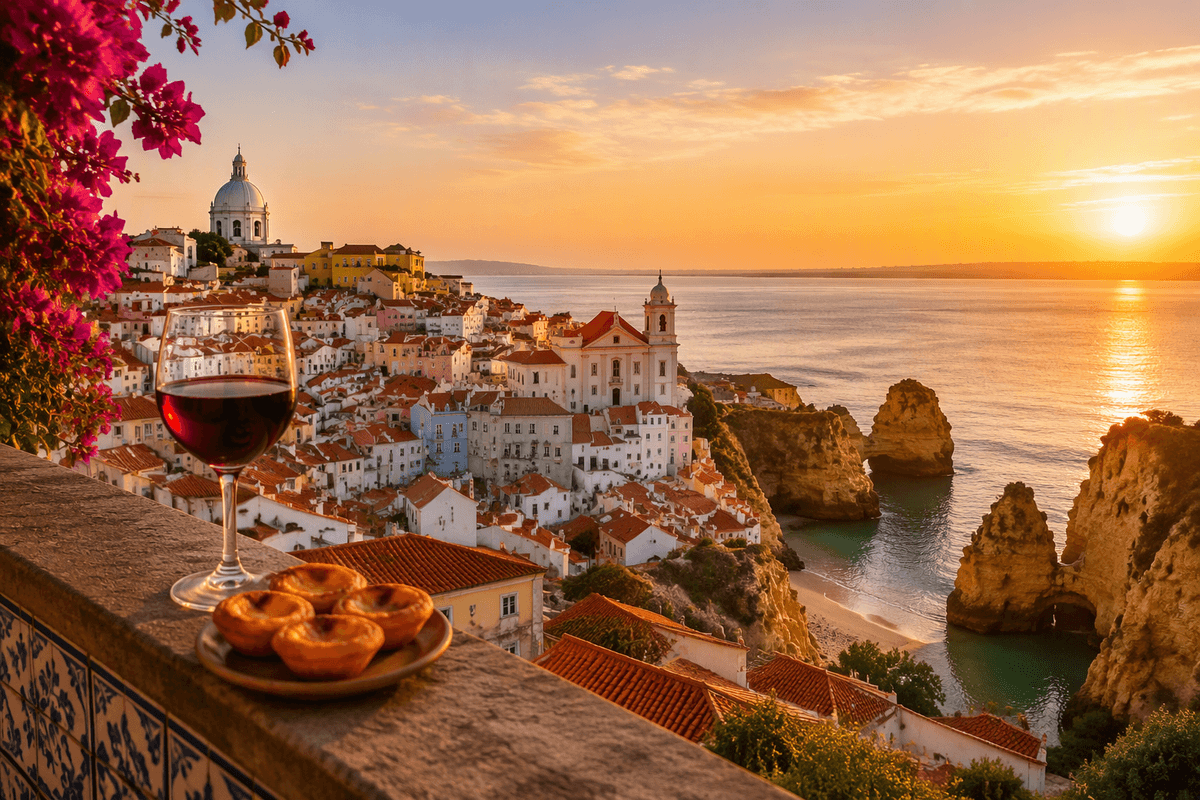
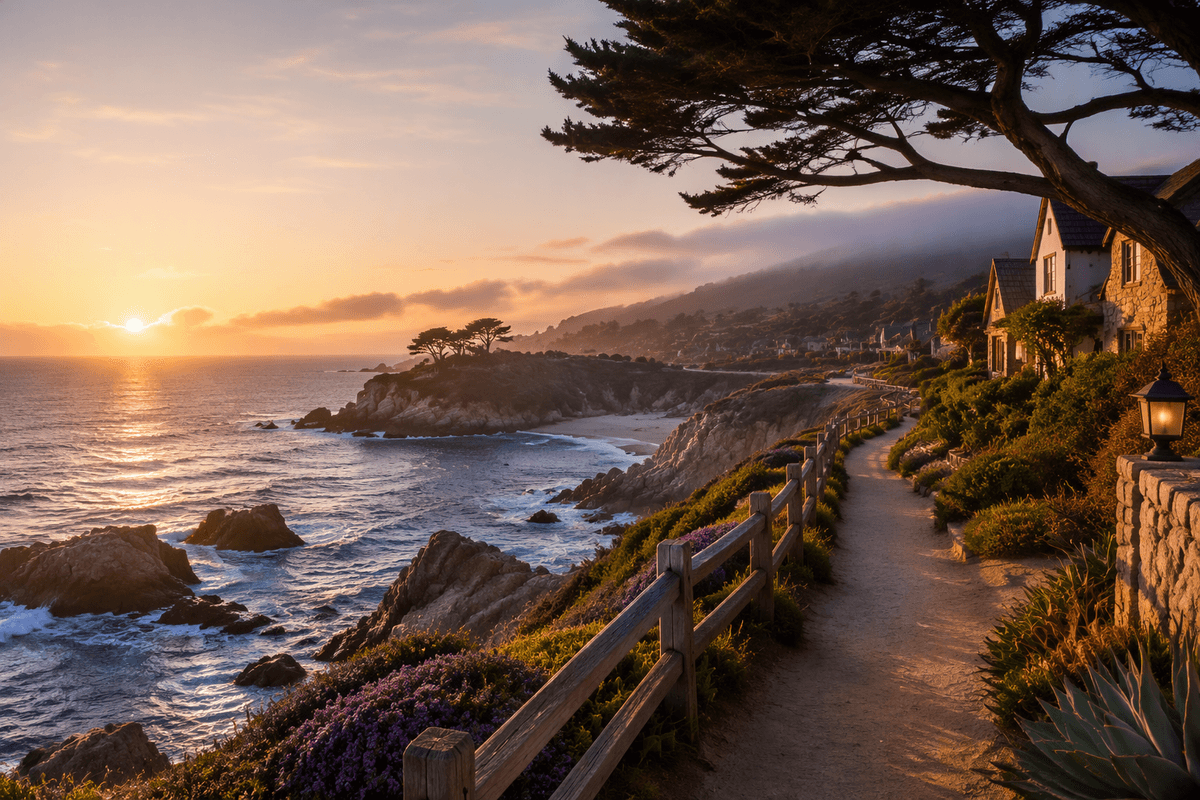
Why travel quotes still spark wanderlust
I caught myself scrolling past the same “collect moments, not things” line for the third time while pricing flights—half excited, half annoyed. That’s the weird power of travel quotes: they sneak in when planning gets spreadsheet-heavy, and they give your brain a one-sentence reason to keep going. But if the line is too generic, it doesn’t lift you; it just sounds like a poster.
The ones that actually spark wanderlust tend to do something more specific: they name a feeling you recognize (pre-trip jitters, the quiet relief of being anonymous somewhere new, the small bravery of booking the first “real” vacation). They also hold a little friction—fatigue, missed trains, weather turning—because that’s what makes a trip feel earned instead of staged.
Use quotes less like decorations and more like tiny prompts: a caption that hints at why you picked this trip, or a note to reread when you’re stuck comparing hotel rooms for the tenth time.
When you need a quote (and when you don’t)
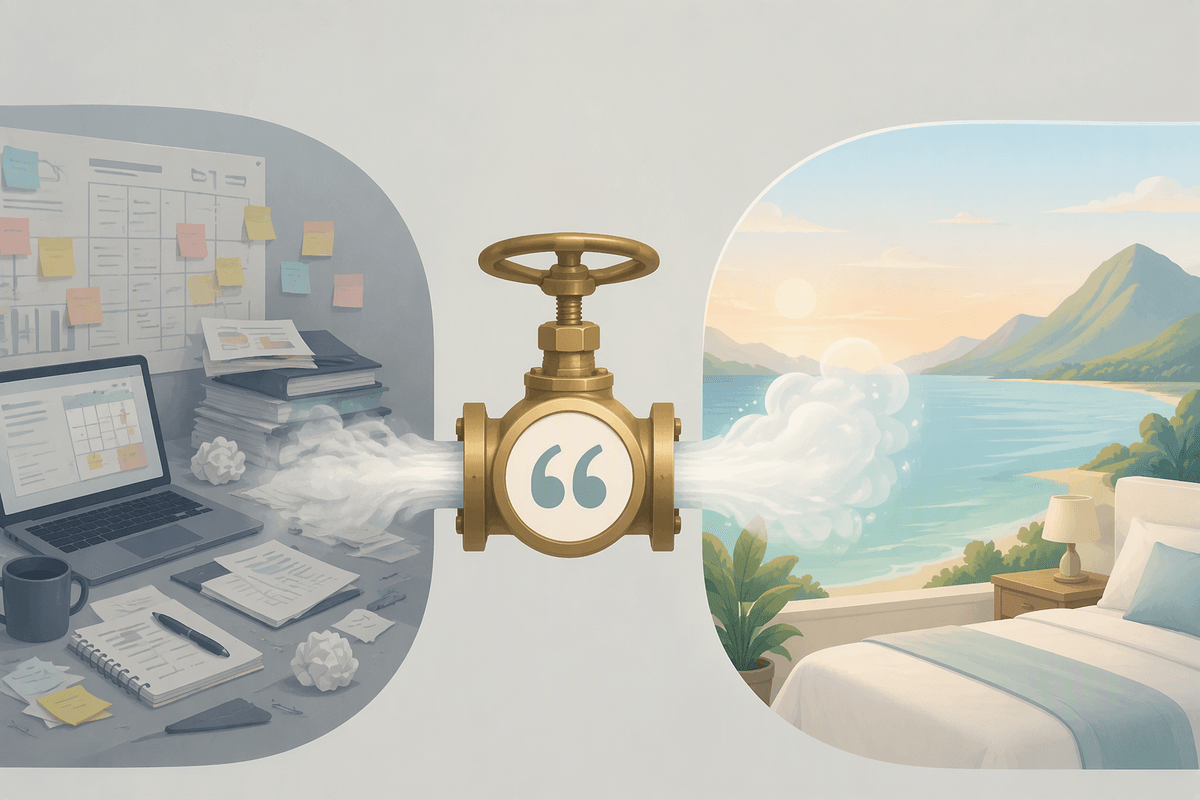
I usually reach for a quote at two moments: right before I hit “book,” and right after I’ve spent 40 minutes comparing nearly identical hotels. A good line works like a pressure valve—it reminds you what you’re optimizing for (rest, novelty, confidence) when planning starts to feel like work. If you’re posting, it also helps when the photo is pretty but the story is mixed: “jet-lagged but proud” lands better than forcing “living my best life.”
But you don’t always need one. If the day was mostly logistics—late check-in, mediocre dinner, rain that killed the sunset—quoting your way out of it can read as performative. In those moments, a plain sentence is more honest: what surprised you, what you’d change, what you’d do again. Save quotes for when they sharpen a real feeling you already have, not when they’re trying to manufacture one.
Choose your vibe: adventure, comfort, solo, love
In the middle of planning, I’ve learned to pick a “vibe” before I pick a line—otherwise every quote sounds like it belongs to someone else’s trip. If you’re leaning adventure, choose words that admit a little mess: “Take the back road” energy works best when you’re actually willing to burn an hour on a wrong turn, or sweat through a hike you can’t fully Instagram. If you’re craving comfort, don’t apologize for it. A quote about rest hits harder when you’ve been living on deadlines and you’re intentionally choosing early nights, a good breakfast, and a hotel you’ll actually enjoy being inside.
Solo travel quotes should feel like permission, not performance—something that fits the quiet parts (eating alone, wandering without consensus) as much as the brave parts. I like lines that focus on attention: noticing more because you’re not narrating it to anyone. Love-trip quotes are trickier; overly poetic captions can clash with real friction (hungry arguments, different sleep schedules). Go for something grounded—“We’re learning each other in a new place”—so it still feels true when the day isn’t perfect.
Short travel quotes for captions and bios

I’ve learned the hard way that the shorter the quote, the more it has to earn its spot—especially in a caption where everyone’s thumb is already moving. If the line could sit under any beach photo on earth, it won’t feel like you. For bios and Notes-app pep talks, I like phrases that sound a little like a decision, not a slogan—because that’s what planning a 7–10 day trip actually is: choosing a version of yourself for a week.
Here are short options that stay grounded:
Adventure (with reality): “Take the long way back.” / “Worth the early alarm.”
Slow travel: “One neighborhood, fully.” / “Less list, more linger.”
Solo: “No one else’s pace.” / “I can be unknown here.”
Comfort-zone: “Rest is the itinerary.” / “Booked for quiet.”
Homesick-but-glad: “Missing home, still here.” / “Brave, not fearless.”
If you’re torn, match the line to what you’re actually paying for—time, sleep, spontaneity, or a reset. The right quote should make your plan feel clearer, not prettier.
Using quotes without sounding cliché
I almost posted “wander often” once, then remembered I’d spent that morning arguing with my suitcase zipper and hunting for an outlet in a crowded terminal. If your quote ignores the messy parts, it can make your trip feel like an ad—especially when your real vacation includes early alarms, transit delays, and the occasional “why did we book this?” moment.
The easiest fix is to make the quote do a job. Use it as a caption plus one concrete detail: “Worth the early alarm” hits differently when you add “for the 6:40 a.m. train and a quiet bakery breakfast.” Or pick a line that fits your actual constraint: if you’re traveling mid-range and you chose the nicer hotel to recover from work, “Booked for quiet” will sound like truth, not branding.
Also: don’t force a famous quote if it doesn’t match your voice. A simple, slightly specific sentence often reads more confident than something grand. When in doubt, choose a line that leaves room for reality—tired feet, a wrong turn, a slow afternoon—and it’ll feel like your trip, not everyone’s.
Take one line, plan one trip
The night you’re about to book, pick one line and let it make exactly one decision for you—nothing more. “Rest is the itinerary” means you stop bargain-hunting and choose the hotel you’ll actually want to be inside; it costs more, but you’ll use it. “Worth the early alarm” means you commit to one early morning and protect it the night before, even if that trims your dinner plans.
Then keep the quote where planning fatigue lives—top of your Notes app, first line of the doc, whatever you’ll see when you’re tempted to keep optimizing. If the line starts feeling false halfway through (because weather, crowds, energy), that’s not failure—it’s information. Swap it without guilt, and let the new line describe the trip you’re really having, not the one you thought you should.



![10 Best Investments for Roth IRA Accounts [Tax-Smart Growth]](static/image/2026/09/01/294b8a88-86c3-4ea2-afdd-320fc305e84d.png)