Napa with kids: set expectations and pace
I almost overbooked our first day—two tastings, a “quick” lunch, then a hike—until I mapped the drives and realized Napa’s distances are small on paper but big once you add car seats, bathroom stops, and the fact that many tastings start on the hour. With kids, the trip works best when you treat wine as a feature, not the schedule; otherwise the adults feel rushed and the kids feel trapped.
A good pace is one “anchor” activity per half-day: an outdoor stop in the morning (when patience is highest), then something predictable after lunch (pool, playground, downtime). The constraint is real: if you push past nap/quiet-time, dinner gets harder and early bedtimes wipe out any evening plans—especially with 4–8 year olds.
Reservation strategy matters more than perfection. Book one kid-tolerant winery experience and one can’t-miss meal, then keep the rest flexible so you can pivot for heat, crankiness, or unexpected crowds.
Arrival + family basecamp (evening)
We landed in that familiar late-afternoon squeeze—everyone hungry, nobody ready for a “proper” dinner, and just enough daylight to make you consider squeezing in one more stop. We skipped the temptation and treated arrival as logistics: check-in, unpack only what you need for bedtime, then a quick scan for the nearest grocery store. The effort up front pays off because Napa restaurant waits can be unpredictable, and trying to negotiate a 45-minute table delay with tired kids is how the first night unravels.
Our basecamp rule was simple: if it didn’t support an early night, it wasn’t worth it. A place with a fridge, microwave, and a little outdoor space (even a patio) mattered more than being walkable to tasting rooms. You give up some evening spontaneity, but you gain a calmer reset—snacks on demand, a controlled breakfast, and fewer car-seat battles when someone’s already melting down.
For dinner, we aimed for “fast and forgiving”: counter service or takeout you can eat in-room by 6:30. It’s not the most romantic wine-country moment, but it keeps the adults from paying sit-down prices for a meal everyone rushes through, and it sets up the next morning to actually start on time.
Day 1: Calistoga easy outdoors + splash time
Our first real morning, the decision was whether to “do Napa” right away or earn an easier win. We drove north to Calistoga early—before the tasting-room rhythm kicks in—because it’s one of the few places where you can get genuine wine-country scenery without asking kids to sit still. If you start after 10, parking gets more annoying and the heat ramps up fast in summer; starting early buys you a calmer hour and fewer negotiations.
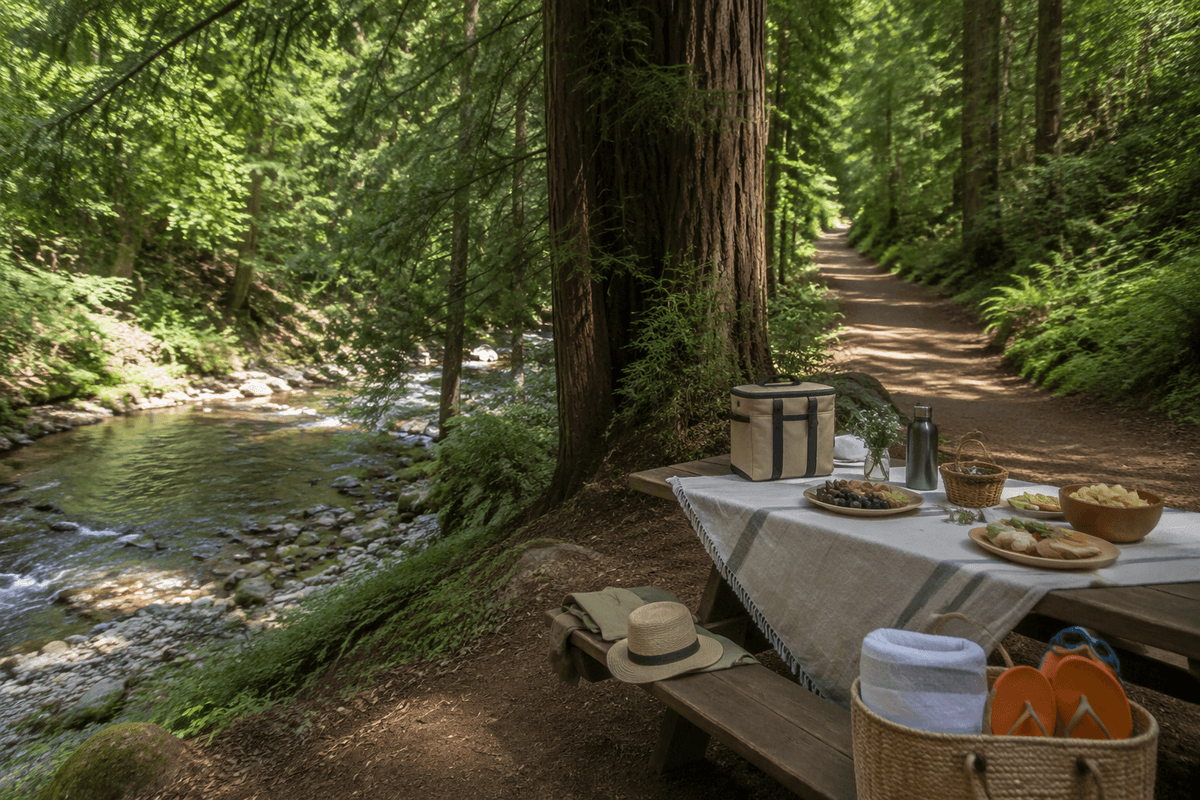
For outdoors, we kept it intentionally unambitious: a short, shady loop at Bothe-Napa Valley State Park (or any nearby flat trail you can bail on quickly). With kids, the constraint isn’t distance—it’s commitment. A “real hike” sounds great until you realize you’re 25 minutes in, someone’s thirsty, and turning around feels like failure. Short trails make turning back feel like a choice, not a defeat, and you still get the redwoods-and-creek effect that makes the whole valley feel different than just driving Highway 29.
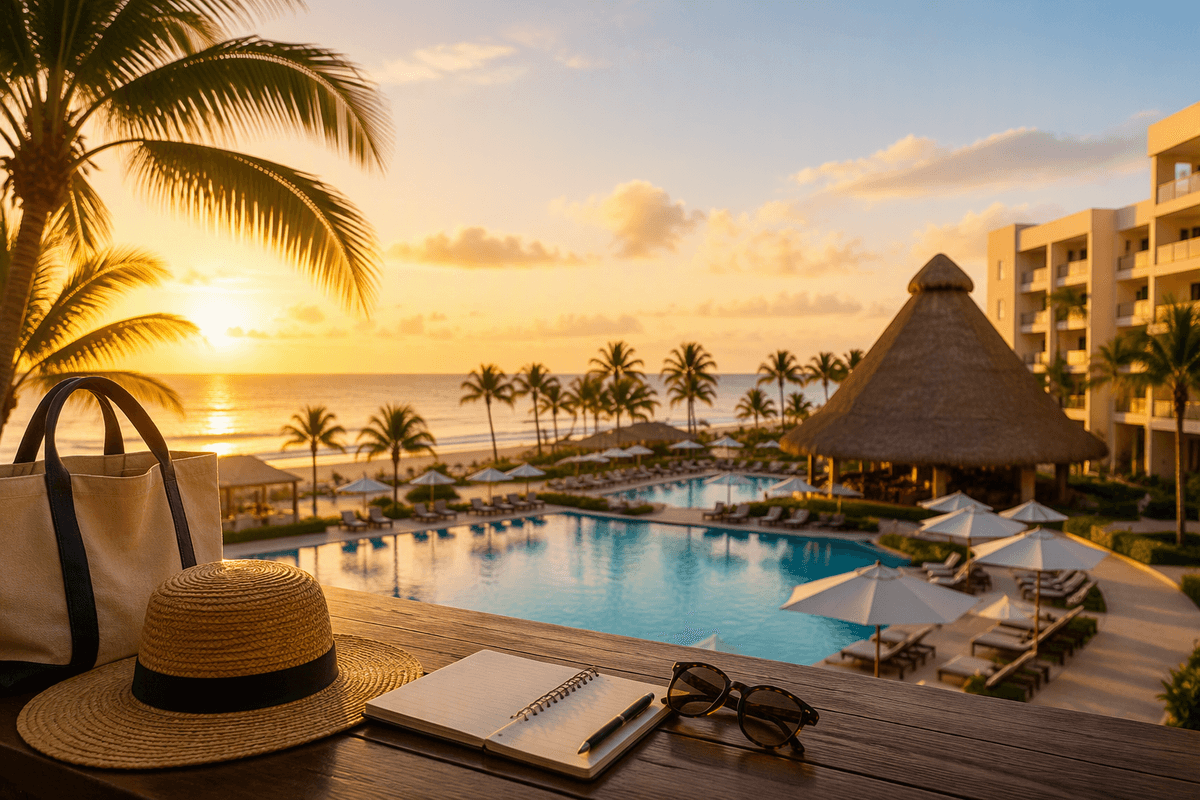
After lunch, we treated splash time as the day’s second anchor. Calistoga’s pools and hot-springs resorts can be perfect with kids, but they’re not always simple: day passes can be pricey, hours can be limited, and some pools skew adult-quiet. If you’re staying somewhere with a decent pool, that’s often the better value—less money, less explaining rules, more actual relaxing. Either way, plan to be back at your basecamp before late afternoon; it’s the difference between an easy dinner and the kind of evening where everyone’s tired but somehow still wired.
Day 2: Animals + big play (short day trip)
On Day 2 we hit the first real fork-in-the-road moment: do we spend another morning optimizing around wine-country timing, or do we burn some driving time to give the kids a “yes day” that doesn’t require constant shushing? We chose animals—specifically a short day trip out toward Santa Rosa for Safari West—because it’s one of the few nearby experiences that feels special to adults and instantly legible to kids. The catch is commitment: tours run on set times, pricing adds up fast for a family, and the midday heat can sap everyone’s patience if you schedule it too late.
What worked was treating it like an appointment and building the rest of the day around it. We aimed for an earlier tour, packed lunch/snacks like we were flying (because “we’ll just grab something after” is how you end up hangry in a parking lot), and kept expectations tight: you’re not there for an all-day zoo wander, you’re there for a contained, high-interest window that buys you a calmer afternoon.
For the “big play” half, we deliberately didn’t chase another attraction—we just stopped at a large playground/park in Santa Rosa (Howarth Park is a solid example) so the kids could sprint and climb while the adults got five minutes of bench-level quiet. You give up a second curated experience, but you gain the kind of reset that makes an early dinner and bedtime actually happen.
Day 3: Markets, downtime, and one kid-friendly winery

By Day 3, we could feel the “one more activity” temptation creeping back in, so we made a small rule before anyone got out of pajamas: the morning had to be something that fed us and reduced decision fatigue. A market stop (Oxbow Public Market in Napa is the obvious one) works because everyone can choose their own breakfast without a 45-minute sit-down risk—but it’s not friction-free. Parking can be annoying after mid-morning, lines stack quickly on weekends, and the noise level can wear on kids who were angels the first two days. We went early, ate fast, and treated it like a supply run: snacks for the car, fruit for later, and one “treat” that made the adults feel like we were still on vacation.
Then we did the unglamorous but trip-saving move: actual downtime. We aimed to be back at basecamp for a quiet hour, because the alternative—squeezing in a second stop “since we’re close”—usually costs you more later in crankiness than it pays in memories. If you’ve got a pool, this is where it earns its keep; if you don’t, even a shaded park and a book can work, but you’ll spend more parent energy managing boundaries.
For the winery piece, we kept it to one kid-tolerant visit and made it short on purpose—think gardens/grounds plus a tasting you can finish in under 90 minutes. Places like Frog’s Leap (more space to roam) tend to feel easier with kids than a formal seated flight, but the constraint is still real: many wineries require reservations and don’t love strollers or wandering. We booked a late-morning slot, brought quiet activities, and gave ourselves permission to leave early; the win wasn’t “doing wine country perfectly,” it was getting one calm glass while the kids weren’t miserable.
Wrap-up: what you’ll remember (and repeat)
On our last morning, the only real decision left was whether to cram in “one more Napa thing” or protect the calm we’d finally earned—and we chose calm. The pattern that kept working wasn’t a specific stop; it was the rhythm: one anchor in the morning, one predictable reset after lunch, and a hard stop before everyone got brittle. It meant saying no to a second tasting and yes to an earlier bedtime, which isn’t very wine-country romantic, but it’s how the adults still enjoyed the trip.
What I’d repeat is simple and slightly boring: groceries early, reservations only where timing matters, and permission to leave places before you’ve “gotten your money’s worth.” You’ll remember the moments when the kids weren’t being managed—sprinting at a park, floating in a pool—because that’s when you actually get to look up and feel like you’re in Napa, too.