Why this Club Med Cancun FAM is worth it
I almost skipped this FAM when I saw the partial self-pay line item and realized I’d be landing late, with a site inspection clock already ticking. But Club Med Cancún is one of those products that’s hard to judge from a brochure: the value lives in how smoothly “all-inclusive” actually functions (or doesn’t) once you’re on-property, especially when you’re selling it to families with zero patience for friction.
What makes the trip worth it is the speed of learning. In 3–4 nights you can test the true pacing—how long it takes to get from room blocks to dining to activities, whether the resort feels intuitive or sprawling, and where the bottlenecks show up at peak times. The limitation is obvious: the itinerary will be packed, and if you try to do everything, you’ll retain almost nothing (and you’ll be useless by night two).
Approach it like a product audit: identify which room categories and dining formats map to your book of business, then pressure-test the “included vs extra” edges that trigger objections. If you leave with three client fits you can confidently match—and two honest caveats you can pre-frame—the time and cost pay back quickly.
Pre-trip prep: goals, hosts, and questions
The first real decision happens before you even book the flight: do you want to arrive calm enough to listen, or squeeze every dollar out of airfare and show up already behind. On a 3–4 night FAM, landing late can quietly steal your best inspection window (early morning light, empty public spaces), so I plan flights to protect the first full morning—even if it costs a bit more. If you’re tight on schedule, confirm transfer logistics in writing (who meets you, where, and what happens if your flight slips), because a 30–45 minute delay can domino into missing the only organized room tour you actually needed.
I set three pre-trip goals and keep them blunt: (1) Identify two “yes, book it” client profiles, (2) find the two most likely friction points that create objections, (3) capture proof—photos and phrases—for selling. Before arrival, I email hosts a short list of non-negotiables (which room categories will be shown, whether family spaces are accessible during inspection hours, what dining is truly included), because on-site you’ll be competing with everyone else’s questions. Pack like you’re sprinting: one resort-casual outfit that works for a hosted dinner, shoes you can walk inspections in, and a battery pack—because dead phone = dead notes, and you won’t reconstruct details later.
Resort walkthrough: rooms, dining, and spaces
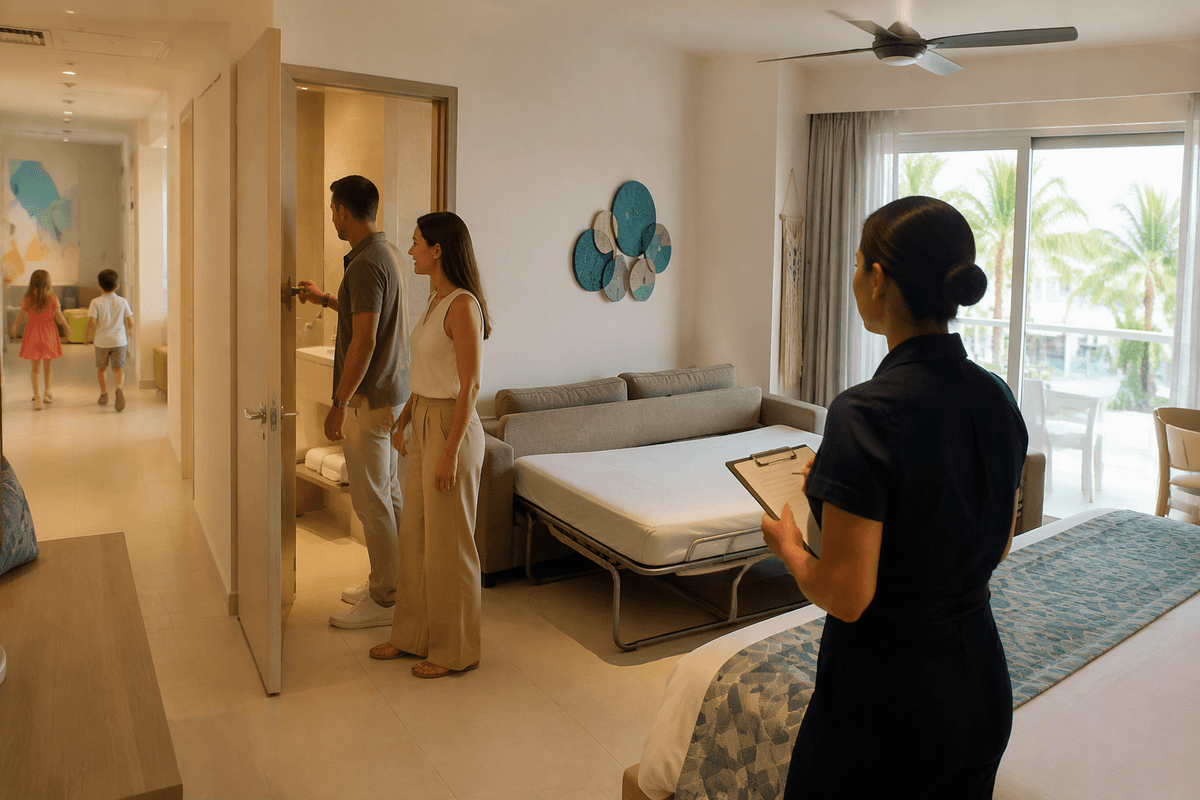
The first walkthrough decision is whether you chase “the best” room or the most sellable one. I learned fast that it’s easy to burn your limited inspection time on a top category you’ll rarely place, then leave without clean notes on the bread-and-butter family inventory your clients actually buy. If the tour is moving quickly, I prioritize layout and noise: where the sofa bed realistically fits, whether the bathroom has a door that gives parents privacy, and how far the room is from the kids’ areas (because “close” is great until it’s loud at 10 p.m.).
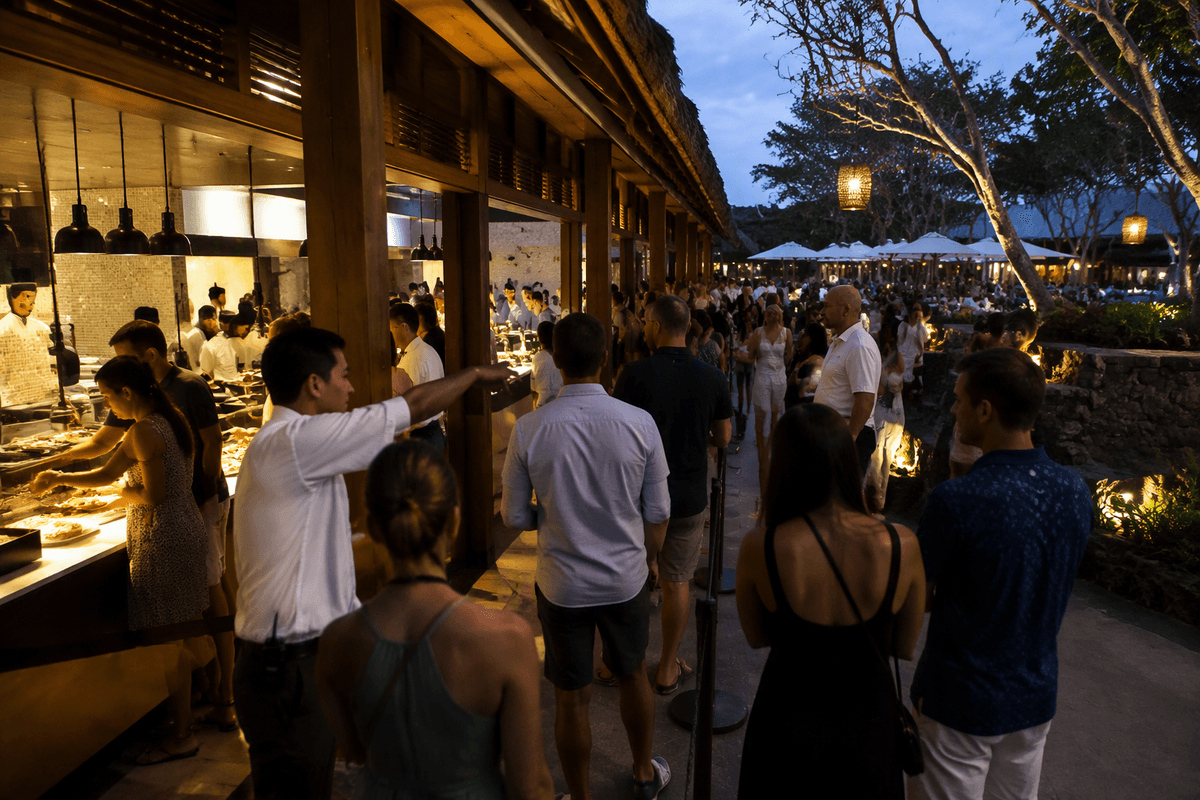
Dining is where the all-inclusive promise either feels effortless or starts collecting asterisks. I watch the flow at peak times—lines, table turns, and how staff handles families who need something fast. It’s worth asking, on the spot, what’s included versus positioned as premium, because that’s where objections come from later; the catch is you may not get the same answer from every person if it’s a busy service window.
For public spaces, I map friction: how long it takes to cross the resort in real shoes, not golf-cart fantasy. Pretty lounges matter less than shade, signage, and whether you can find quiet when the pool energy ramps up—especially for couples who like the idea of family-friendly, but not the soundtrack.
Try the experience: activities, kids, and vibe
I tried to do the “responsible advisor” thing and sample a little of everything in one afternoon—then realized the calendar punishes dabbling. Activities at Club Med only tell you something useful if you watch how sign-ups, start times, and transitions actually work when people are sun-tired and late. If you have limited hours, pick one high-energy option (trapeze/fitness/watersports depending on what’s running) and one low-effort social moment (apéro, show, or a hosted group event). The value isn’t the activity itself; it’s whether the resort makes it easy to join without feeling like you’re interrupting someone else’s routine.
For family clients, the kids’ program is the make-or-break, but it’s also the hardest to evaluate on a tight FAM because access and timing can be constrained. I focus on observable details: check-in flow, staff-to-kid vibe, where parents hover, and whether the spaces feel secure without feeling closed off. If the kids’ areas are busy, you’ll learn more about how the system holds up; if they’re quiet, you have to mentally discount the “it’s so calm” impression.
The overall energy shifts by hour—quiet mornings, louder pool windows, and a nightlife rhythm that can feel fun or relentless depending on your client. Couples who want adult-leaning downtime can still fit, but only if you can point them to where they’ll actually escape the family soundtrack without hiking across property every time.
Sales lens: ideal clients, value, and objections
Halfway through the second day, I stopped trying to label Club Med Cancún as “family” or “couples” and started sorting it by tolerance for motion. The easiest wins are active families who want structure without micromanaging (kids’ programming plus activities that start on time), and multi-gen groups where everyone can self-select their day without splintering logistics. It also works for social couples who like energy and don’t need silence at every meal; it’s a harder sell for honeymooners who equate “all-inclusive” with private, slow, and adult-only.
The value story that lands isn’t the beach or the buffet—it’s the reduction of decision fatigue. When the schedule, food, and activities are genuinely integrated, clients feel like they “did a lot” without planning. Where objections show up: premium touches that aren’t included (anything that smells like an upsell will get questioned), peak-time dining flow, and room-location noise sensitivity. I’d pre-frame it as: you’re paying for a programmatic resort with momentum—choose it when your client wants options more than emptiness, and you’ll get fewer post-booking surprises.
After the FAM: follow-ups that drive bookings
On the flight home, my notes were already getting fuzzy, so I forced a 20-minute “sellable proof” sweep in the airport: rename photos by room category, screenshot the activity schedule, and write three sentences I could reuse without embellishing. The constraint is energy—after a packed FAM, you’ll be tempted to postpone this—but if you wait a week, you’ll remember vibes, not details, and details are what close.
Within 48 hours, I send two follow-ups: one to my host with targeted clarifications (what’s truly included, what triggers an extra charge, and any seasonal limitations), and one to my own client list segmented by fit. I don’t blast “I’m back from Cancun”—I message the five families who want structure and the two couples who like social resorts, and I lead with one honest caveat (noise/pace/peak dining) so the value feels credible instead of glossy.