Why Monterey Bay fits a three-day weekend
Friday afternoon, the only real question is whether Monterey Bay will feel like “too much to cram in” or “not enough to justify the drive.” From the Bay Area, it lands in the sweet spot: far enough that your brain switches off, close enough that you’re not donating half the weekend to Highway 1 or 101 traffic—unless you leave after peak commute, in which case dinner becomes your first casualty.
What makes it work for a three-day loop is how the headline experiences cluster into tidy blocks: Monterey’s waterfront + Aquarium as one concentrated day, Big Sur as one deliberate push (not an all-day pinball of overlooks), and Carmel as the slower reset before heading home. The constraint is crowds and fog—both are real—but the fix is sequencing: early starts where it matters, and flexible “pretty” time when it doesn’t.
Day 1: Monterey waterfront, Aquarium, sunset views
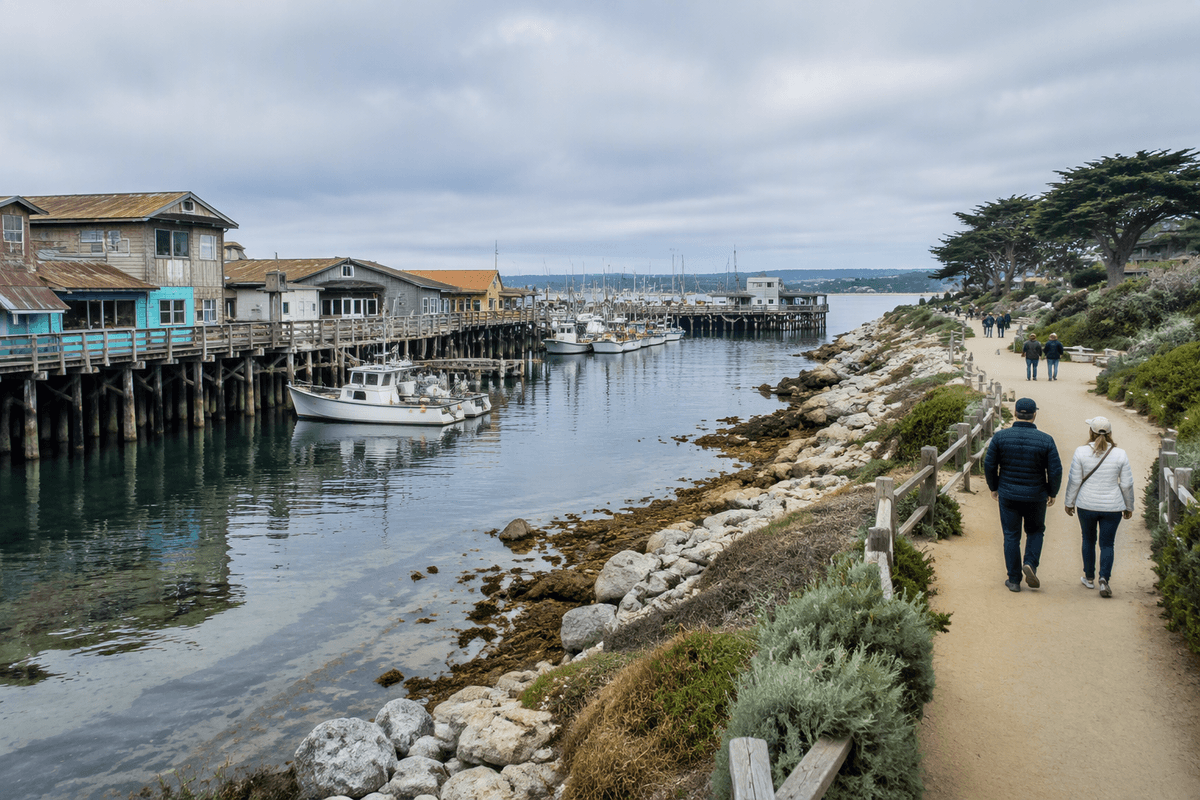
We hit the first fork before we even parked: Cannery Row is convenient, but it’s also where you pay in both meters and patience. If you’re arriving Friday evening, it often works better to drop bags first, then park once for the night near the waterfront and walk—because the short drives between dinner, the Row, and the harbor can turn into slow laps when traffic is heavy and garages fill.
The Aquarium is the one “must” that punishes hesitation. If you can swing a first entry time Saturday morning, do it; late morning to early afternoon is when strollers, school groups, and sold-out time slots stack up, and the exhibits start to feel like a shuffle rather than a linger. We liked pairing it with a simple waterfront loop afterward (Old Fisherman’s Wharf to the coastal path) because it’s low-decision, but it also means you’re exposed if the wind kicks up—bring a layer even if Monterey looked sunny at check-in.
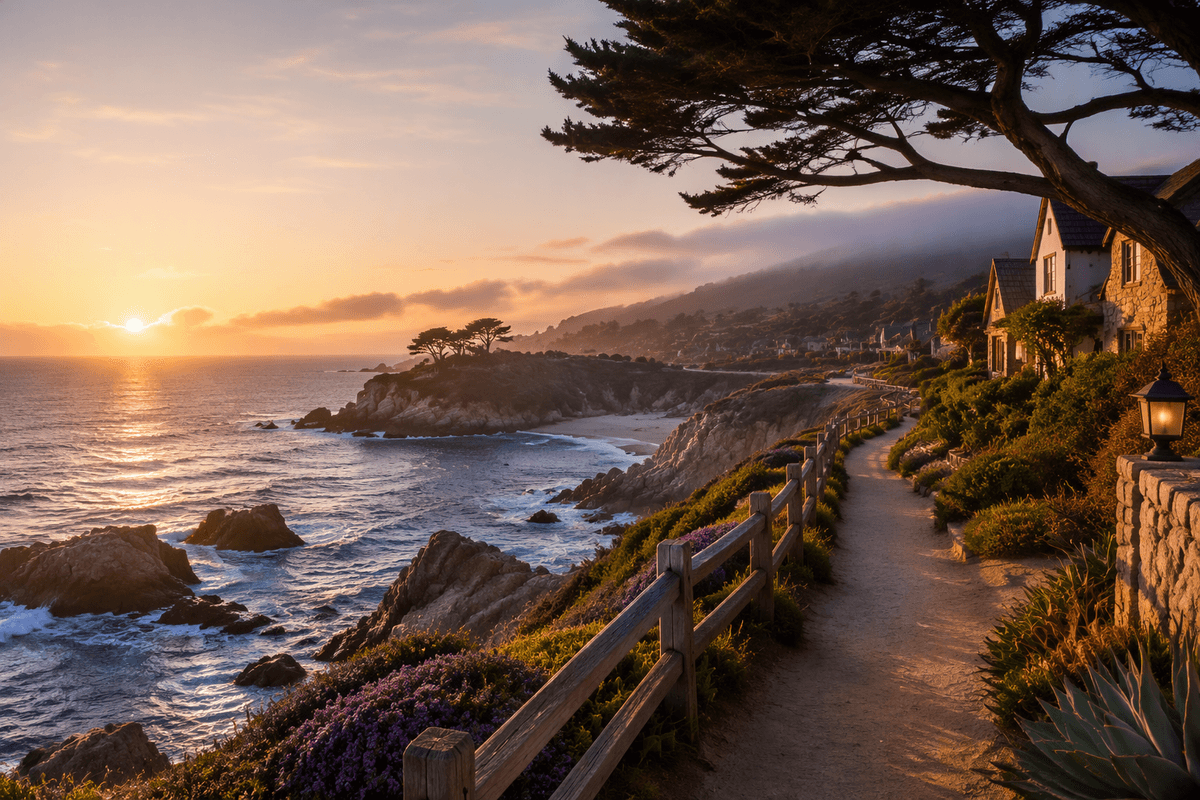
For sunset, we skipped anything that required another parking battle and aimed for a viewpoint you can reach on foot or with one clean drive—Lovers Point works when the sky cooperates, but the limitation is fog: some nights you’ll get a bright band of light, other nights it’s just a gray curtain. Plan a reservation-friendly dinner window after, not before, so you’re not watching the clock more than the water.
Day 2: Big Sur highlights without burnout
Saturday morning in Big Sur starts with a small gamble: leave early enough that the drive feels cinematic, not like a slow-moving caravan, but not so early that you’re pulling into viewpoints before you’ve even had coffee. We found the sweet spot was committing to two “anchor” stops and letting everything else be optional—because the moment you try to hit every pullout, Highway 1 turns into constant merge anxiety and you arrive at the good stuff already tired.
Our first anchor was Bixby Bridge: it’s iconic for a reason, but the friction is parking. If the turnout is jammed, don’t force it—loop once, and if it’s still packed, keep rolling and catch a less famous vista a few minutes south where you’re not playing bumper cars with rental convertibles. The second anchor was a short hike rather than another photo stop; it made the day feel earned, but it also meant we had to be honest about time and legs before adding anything else.
Lunch is where burnout sneaks in. A sit-down meal in Big Sur can be great, but it can also swallow an hour when you’d rather be outside; we did better with something quick and then a hard turnaround point so the drive back didn’t eat the entire afternoon.
Day 3: Carmel charm, ocean time, final meal
Sunday morning, we had to decide if Carmel was going to be a “quick stroll” or the main event—and the difference is whether you park once and actually slow down. Carmel-by-the-Sea looks compact, but if you’re hunting curb spots near Ocean Ave at peak brunch time, it quietly becomes stressful. We parked a few blocks up (even if it added a short walk) and treated it like a no-car zone; it cost us five extra minutes on foot and saved the constant recalculating of “should we move the car?”
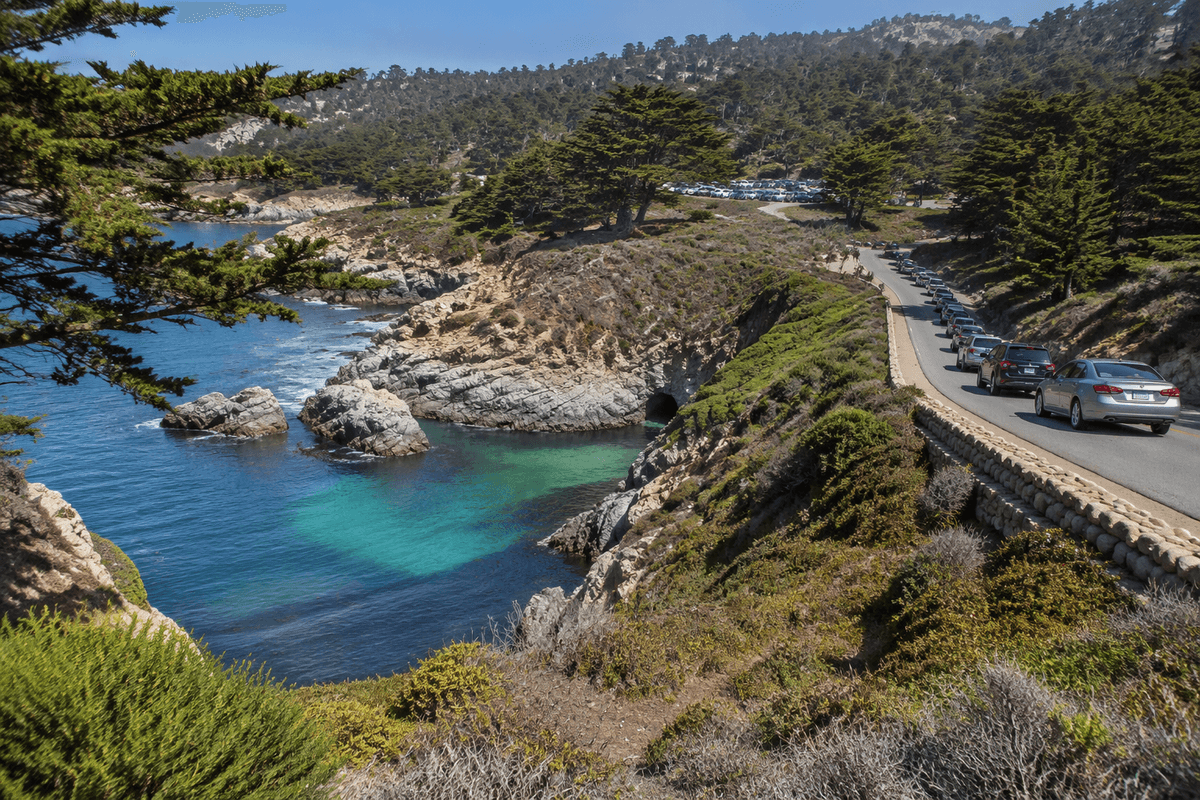
For ocean time, we kept it simple: Carmel Beach for the wide, easy payoff, then a short hop to Point Lobos only if our energy and the gate line cooperated. Point Lobos is the better “wow,” but it’s also where weekends can bottleneck at the entrance and the parking lots fill fast—so if you roll in late morning, you’re basically agreeing to wait. Carmel Beach, by comparison, is more forgiving, but wind and fog can make it feel like a layer test instead of a sun session.
We liked doing the final meal back in Carmel (or just outside) before the drive north, because leaving it for “on the road” usually turns into snacks and regret. Aim early—once you push past mid-afternoon, you’re choosing between a rushed sit-down or a heavier traffic penalty heading home.
Reservations, parking, and where to stay
Saturday night was the moment we felt the “no-reservations” optimism backfire: Carmel and Monterey both have plenty of good restaurants, but the mid-range places that actually feel special can book out once weekend plans firm up. If you care about one standout meal, reserve it early and let everything else stay flexible; if you try to wing both dinner and brunch, you’ll often pay with a long wait right when you’re already tired.
Parking is the quieter stressor. Cannery Row garages and oceanfront lots fill fast, and the constant short drives between stops can turn into slow loops. We had a better weekend by choosing lodging with included parking (or at least a predictable lot) and then walking or taking one clean reposition move, not five micro-moves.
Where to stay comes down to what you want to be “easy.” Monterey near the waterfront makes the Aquarium/paths frictionless but can feel busy at night; Pacific Grove is calmer and usually simpler for parking, though you’ll drive a bit more for dinners. Carmel is the prettiest home base, but it’s the one that most punishes late arrivals and spontaneous parking plans.
Closing: the weekend you’ll remember (and repeat)
On the drive home Sunday, we did the quick debrief we always do: did it feel full, or frantic? The weekend works when you stop treating Monterey Bay like a checklist and start treating it like three distinct moods—one structured “ticketed” day, one highway day with a clear turnaround, and one slow, walkable day where parking doesn’t get to run your schedule.
If you’re deciding what to repeat next time, pick one variable to tighten (an early entry, a dinner reservation, a parking plan) and let the rest stay loose. That’s the difference between coming back refreshed versus feeling like you spent 72 hours negotiating crowds, fog, and your own ambition.